
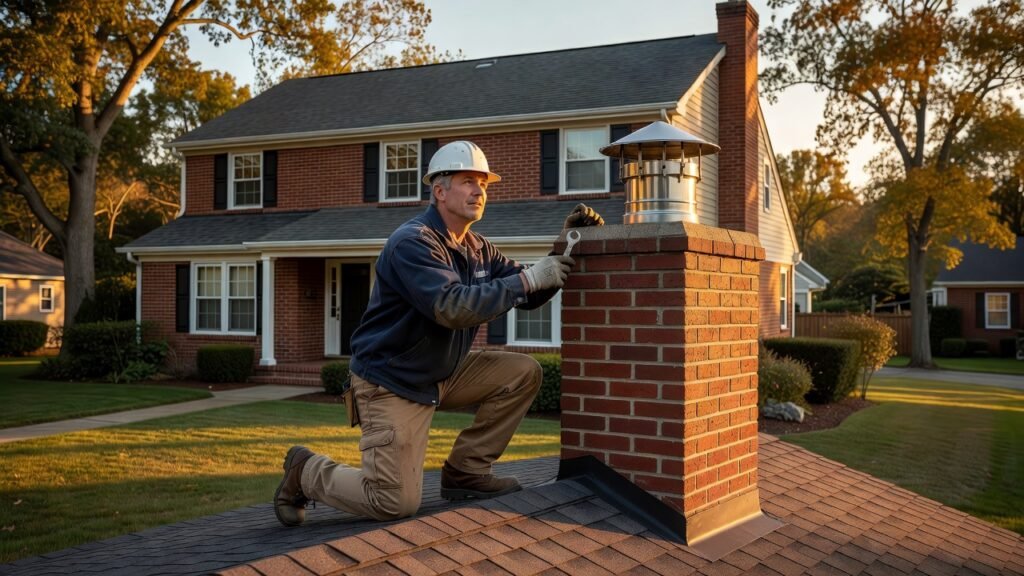
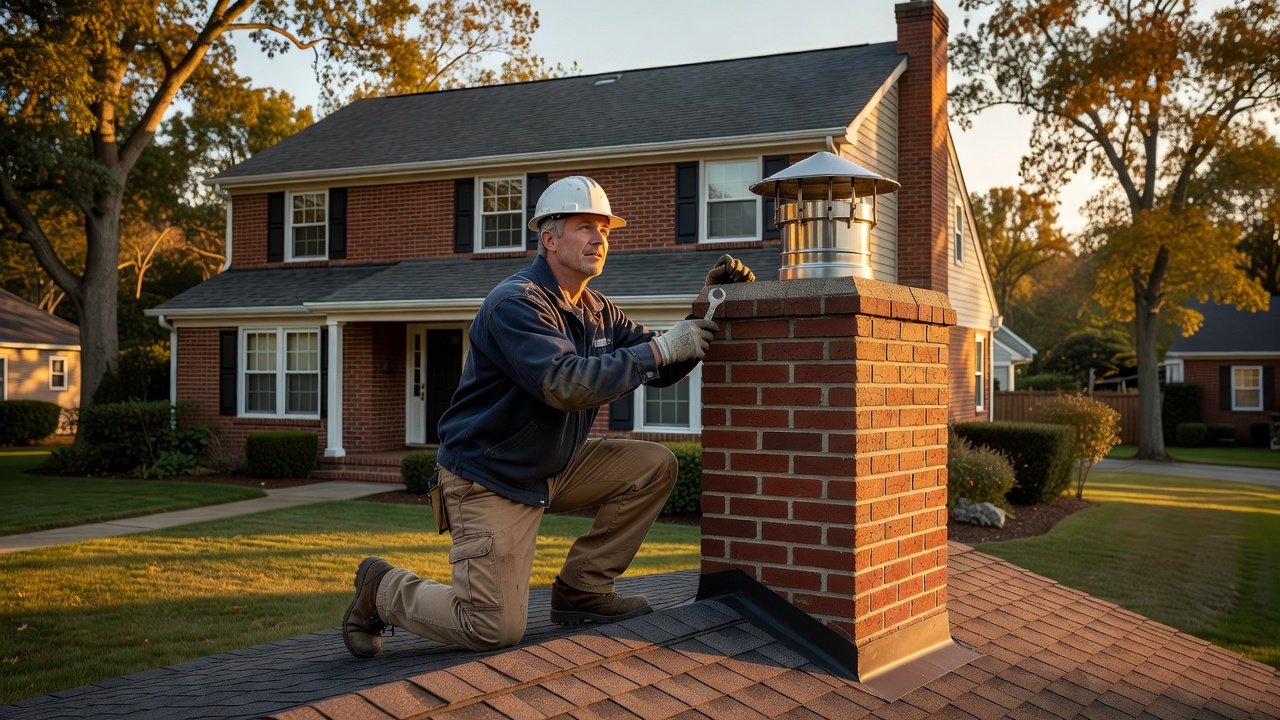
When to Install a Chimney Cap in Tenafly and Englewood and What You Should Leave to a Pro
A chimney cap helps keep rain, snow, animals, leaves, and other debris out of the chimney. When a cap is missing or damaged, moisture can enter the chimney system and contribute to deterioration of masonry, metal components, and other parts of the system. A cap can also help reduce wind-driven downdrafts while keeping animals from entering the flue. For homeowners considering chimney cap installation in Tenafly, NJ, or Englewood, NJ, the best timing depends on the condition of the existing chimney, the weather, and whether other repairs are needed.
Why an Uncapped Chimney Can Become a Problem
Water is one of the major threats to masonry chimneys. CSIA explains that water entering an uncapped chimney can seep into bricks and mortar, while repeated freeze and thaw cycles can contribute to deterioration. Moisture can also affect metal components such as dampers. A properly selected chimney cap helps limit this exposure by keeping precipitation away from the flue opening.
A cap also serves another important purpose. The screen or spark-arrestor portion can help keep birds, animals, leaves, and other debris from entering the chimney. Obstructions can interfere with proper venting, which is why chimney systems should be inspected regularly. CSIA recommends having chimneys inspected at least once a year, with cleaning, maintenance, and repairs performed when necessary.
Spring: A Practical Time to Inspect and Replace a Cap
Spring can be a convenient time to evaluate a chimney cap. Winter weather may reveal corrosion, damaged mesh, loose components, or other problems that were not obvious during the previous season.
A professional can also look at the surrounding crown, flashing, masonry, and accessible portions of the chimney. This matters because replacing a cap does not correct underlying structural or water-management problems.
If the crown or masonry needs repair, those issues should be evaluated before the new cap is installed. The appropriate cap also depends on the chimney design, the number of flues, the dimensions of the termination, and the type of venting system.
Summer: Good Conditions, But Plan Ahead
Summer can also be a reasonable time for chimney cap work. Dry weather may make exterior work easier, although the condition of the chimney and the scope of the project ultimately determine when work should be performed.
Homeowners should avoid choosing a cap based only on appearance or a generic size. Different chimney systems use different termination arrangements. A cap that does not fit the system properly may not provide the intended protection.
Factory-built fireplace and chimney systems deserve particular attention. NFPA 211 committee material has noted that certain cap installations can involve listed components and manufacturer requirements, so the appropriate cap should be compatible with the existing system.
What Can You Reasonably Do Yourself?
Homeowners can perform simple visual checks from a safe location. You might notice that a cap is visibly missing, shifted, damaged, or covered with debris.
Roof access is a different matter. Chimney caps are often located in areas where a fall can cause serious injury. Climbing onto a roof to measure, remove, or install a cap is not a task every homeowner should attempt.
The installation itself also requires more than simply placing a cover over the flue. The cap must be appropriate for the chimney configuration and should not interfere with venting. A professional can also identify problems involving the crown, flashing, masonry, or chimney termination that may need attention first.
If an existing cap is damaged, the chimney should not automatically be assumed to need a complete inspection solely because a cap is being replaced. The appropriate inspection scope depends on the circumstances. NFPA 211 materials distinguish between routine inspection circumstances and situations requiring a more extensive inspection.
Fall: Don’t Wait Until the Last Minute
Fall is when many homeowners begin preparing their fireplaces for the heating season. That makes it a sensible time to check the chimney system, but waiting until the first cold snap can limit scheduling flexibility.
If a cap is missing or damaged, addressing the problem before regular fireplace use can help prevent avoidable exposure to rain, snow, animals, and debris. An annual inspection can also identify other conditions that may require cleaning, maintenance, or repair.
A damaged cap does not necessarily mean the chimney is unsafe to use in every circumstance. The condition of the entire venting system needs to be considered. If an inspection identifies an obstruction, structural problem, damaged liner, or another safety concern, the appropriate professional should determine whether the appliance should remain in use.
Winter: Address Damage When Necessary
Winter is not automatically off-limits for chimney cap work. The feasibility of an installation depends on weather, access, materials, and the type of work required.
If a cap is damaged or missing during winter, do not assume that a temporary solution is appropriate for every chimney. Have the condition evaluated, especially if there are signs of water entry, animal intrusion, damaged masonry, or other problems.
If an obstruction is suspected, the chimney should be evaluated before the fireplace or appliance is used. CSIA notes that blocked flues can create serious venting problems, including potential carbon monoxide hazards.
How Much Does Chimney Cap Installation Cost?
Chimney cap prices vary based on the type and size of the cap, the number of flues, the chimney configuration, access, materials, and whether related repairs are necessary.
Because of those variables, homeowners should be cautious about relying on a single price range for every chimney in Tenafly or Englewood. A professional estimate should identify what type of cap is being recommended, whether repairs are needed first, and what is included in the installation.
Material selection also matters. Stainless steel is one commonly used option, but the best material depends on the chimney system and installation requirements rather than simply on local weather conditions.
When to Call a Chimney Professional
Professional help makes sense when a cap is missing, damaged, improperly fitted, or difficult to access safely. It is also appropriate when you notice water entering the fireplace, deteriorating masonry, damaged flashing, animal activity, or other signs that the chimney system needs evaluation.
When choosing a contractor, look for relevant chimney experience and verify professional credentials. CSIA provides a searchable directory that homeowners can use to verify CSIA Certified Chimney Sweep credentials.
The goal is not simply to install a piece of metal over the chimney. The goal is to make sure the cap is appropriate for the system and that other visible problems are not overlooked. A properly evaluated chimney can help protect the structure while supporting safe operation of the fireplace or vented appliance.
Related from Tenafly Chimney: Chimney Sweep in Tenafly · Fireplace Cleaning in Tenafly, NJ
Our services
Chimney Sweep in Tenafly · Chimney Sweep in Tenafly · Chimney Sweep Tenafly · Chimney Sweep in Tenafly, NJ · Chimney Sweep in Tenafly · Chimney Sweep in Tenafly
Areas we serve
Tenafly, NJ · Tenafly, NJ · Tenafly, NJ · Tenafly, NJ · Tenafly, NJ · Tenafly, NJ