
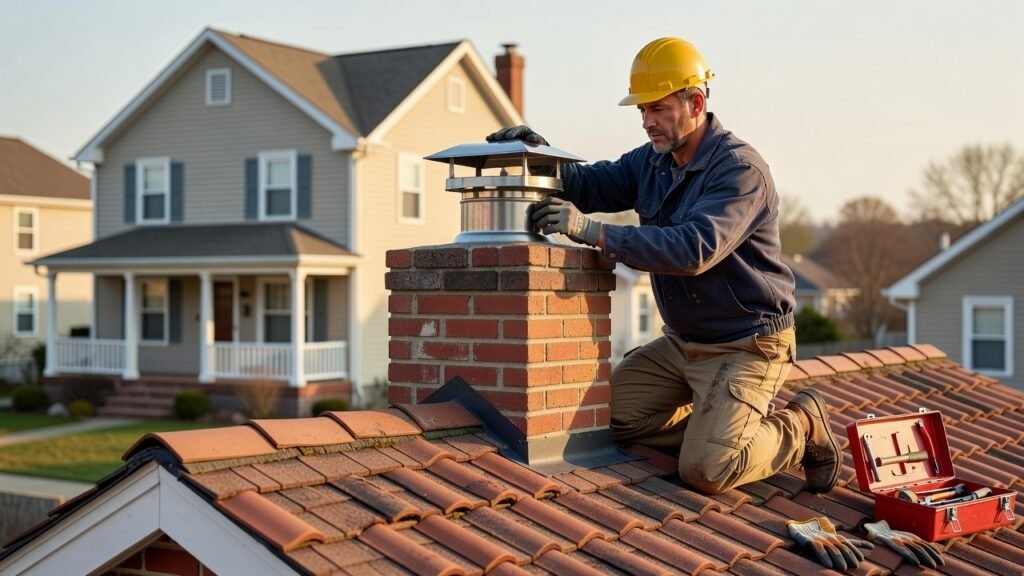
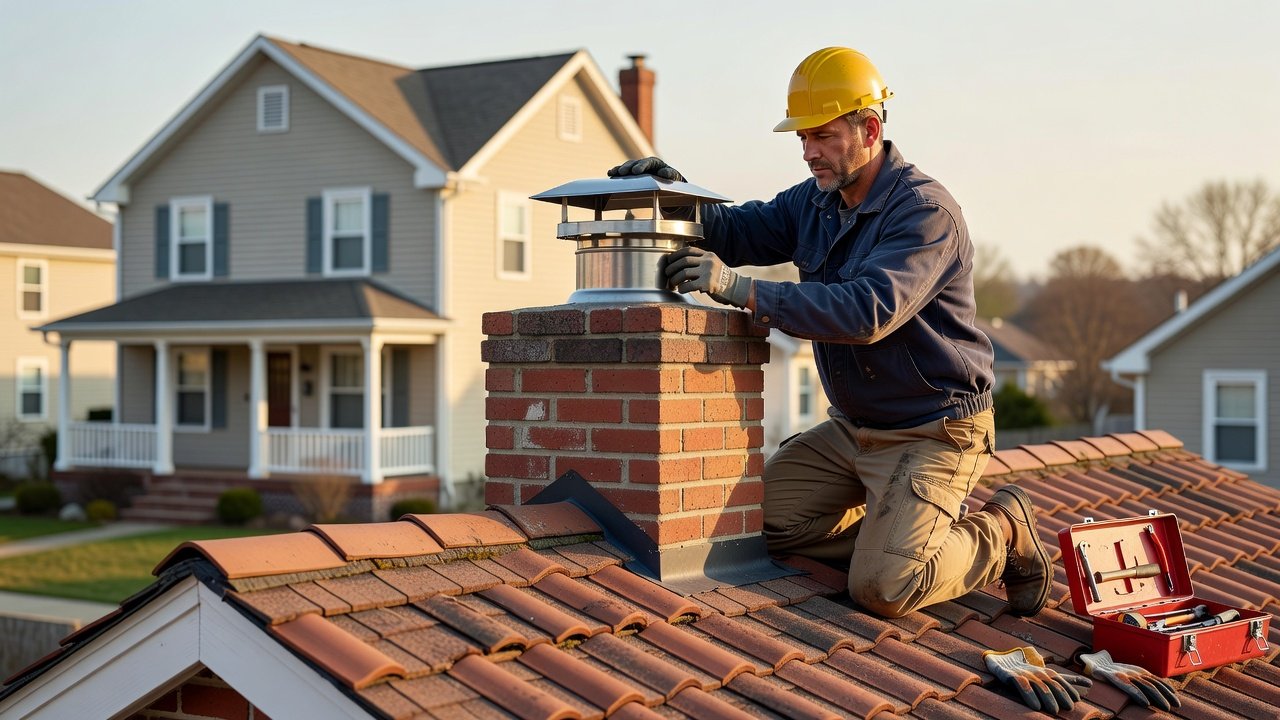
Chimney Cap Installation in Fort Lee and Tenafly: What You Can Do Yourself and When to Call a Professional
A missing chimney cap may not seem like a major problem, but it can quickly lead to expensive repairs. Without a properly installed cap, rainwater, snow, animals, and debris can enter the chimney, causing damage that often goes unnoticed until it becomes costly.
For homeowners in Fort Lee, Tenafly, and throughout Bergen County, installing or replacing a chimney cap is one of the simplest ways to protect a chimney system from water damage and premature deterioration.
Some chimney cap maintenance can safely be handled by homeowners. Other situations require the experience and equipment of a professional chimney technician. Knowing the difference can help you avoid unnecessary risks while protecting your home.
Why a Chimney Cap Is So Important
A chimney cap sits on top of the chimney flue and serves several important purposes.
A properly installed cap helps:
- Prevent rain and snow from entering the chimney.
- Keep birds, squirrels, raccoons, and other animals out of the flue.
- Reduce downdrafts that force smoke back into the home.
- Help contain sparks and embers before they reach the roof.
These benefits are especially important throughout Bergen County, where freezing winter temperatures and repeated freeze-thaw cycles can quickly worsen moisture-related chimney damage.
Many homes in Fort Lee and Tenafly also feature older clay tile chimney liners that are particularly vulnerable to water intrusion when the chimney remains uncapped.
What Homeowners Can Safely Do
There are several chimney cap tasks that many homeowners can safely perform.
Inspect the Chimney from the Ground
Using binoculars or a smartphone with a zoom lens, you can often determine whether your chimney cap is:
- Missing
- Rusted
- Bent
- Loose
- Visibly damaged
A ground-level inspection is usually sufficient for identifying obvious problems without climbing onto the roof.
Measure the Flue
If you’re replacing an existing chimney cap, measuring the outside dimensions of the flue tile is often straightforward for homeowners who are comfortable working safely on a ladder. Accurate measurements are essential because chimney caps are manufactured in various sizes to fit different flue openings.
Replace a Basic Single-Flue Cap
For a single-flue chimney on a low-slope roof with easy access, replacing a damaged cap may be a manageable DIY project. Most standard chimney caps attach directly to the clay flue tile using screws or adjustable clamps. When choosing a replacement, stainless steel generally offers greater durability than galvanized steel, especially in New Jersey’s wet climate.
When It’s Best to Call a Professional
While replacing a simple chimney cap can sometimes be a DIY project, many chimney systems require professional evaluation before installation.
The Chimney Crown Is Damaged
The chimney crown protects the top of the chimney by directing water away from the masonry. Cracks, missing sections, or deteriorating mortar around the crown allow moisture to enter even if a new chimney cap is installed.
Professional repairs may include:
- Crown sealing
- Crown resurfacing
- Complete crown rebuilding
Installing a new chimney cap without repairing a damaged crown often fails to solve the underlying moisture problem.
Your Chimney Has Multiple Flues
Many older homes throughout Fort Lee and Tenafly have chimneys serving multiple fireplaces, furnaces, boilers, or water heaters. Each flue requires the proper cap configuration to ensure safe exhaust flow.
Improper cap installation on multi-flue systems may interfere with venting and potentially increase the risk of carbon monoxide entering the home.
The Chimney Liner Needs Inspection
If your chimney has been without a cap for an extended period, water may have already damaged the chimney liner.
A CSIA-certified chimney technician can perform a professional inspection using specialized camera equipment to evaluate:
- Cracked clay liners
- Deteriorated mortar joints
- Water damage
- Creosote buildup
Many of these problems cannot be identified through a simple visual inspection.
The Chimney Is Difficult to Access
Some homes in Bergen County have steep roofs, tall chimneys, or limited roof access. Professional chimney technicians have the equipment, safety training, and insurance necessary to complete these installations safely. For many homeowners, avoiding roof-related risks alone makes professional installation worthwhile.
What Happens If You Wait Too Long?
Leaving a chimney uncapped allows water to enter the system year after year.
Repeated exposure to moisture can eventually lead to:
- Cracked chimney liners
- Damaged mortar joints
- Spalling brick
- Interior water leaks
- Chimney crown deterioration
Animal intrusion is another common problem. Birds, squirrels, and raccoons frequently enter uncapped chimneys looking for shelter.
If chimney swifts establish a nest, federal law protects them during nesting season, meaning homeowners may have to wait until the birds naturally leave before installing a cap. Addressing the problem early often prevents much larger repairs later.
Typical Chimney Cap Installation Costs
Homeowners in Fort Lee and Tenafly can generally expect the following price ranges:
- Basic chimney cap: $30–$200, depending on material and size.
- Professional chimney cap installation: $150–$400, including inspection of the chimney top.
By comparison, masonry repairs resulting from long-term water intrusion often begin around $800 and can increase substantially depending on the extent of the damage. Replacing a chimney cap is typically one of the most affordable forms of preventive chimney maintenance.
Schedule a Professional Chimney Inspection
A damaged or missing chimney cap is a small problem that can quickly become an expensive one if left unaddressed. Whether you simply need a replacement cap or want to ensure your chimney is protected before the next winter season, a professional inspection can identify issues before they become major repairs.
Tenafly Chimney proudly serves homeowners throughout Fort Lee, Tenafly, Englewood, Alpine, and surrounding Bergen County communities. Our CSIA-certified technicians provide comprehensive chimney inspections, professional chimney cap installation, and honest recommendations based on your chimney’s actual condition.
Contact Tenafly Chimney today to schedule your free chimney inspection and make sure your chimney is protected from water, wildlife, and the elements all year long.
Related from Tenafly Chimney: Chimney Sweep in Tenafly · Fireplace Cleaning in Tenafly, NJ
Areas we serve
Tenafly, NJ · Tenafly, NJ · Tenafly, NJ · Tenafly, NJ · Tenafly, NJ · Tenafly, NJ