
What Englewood Homeowners Should Know About Chimney Cleaning
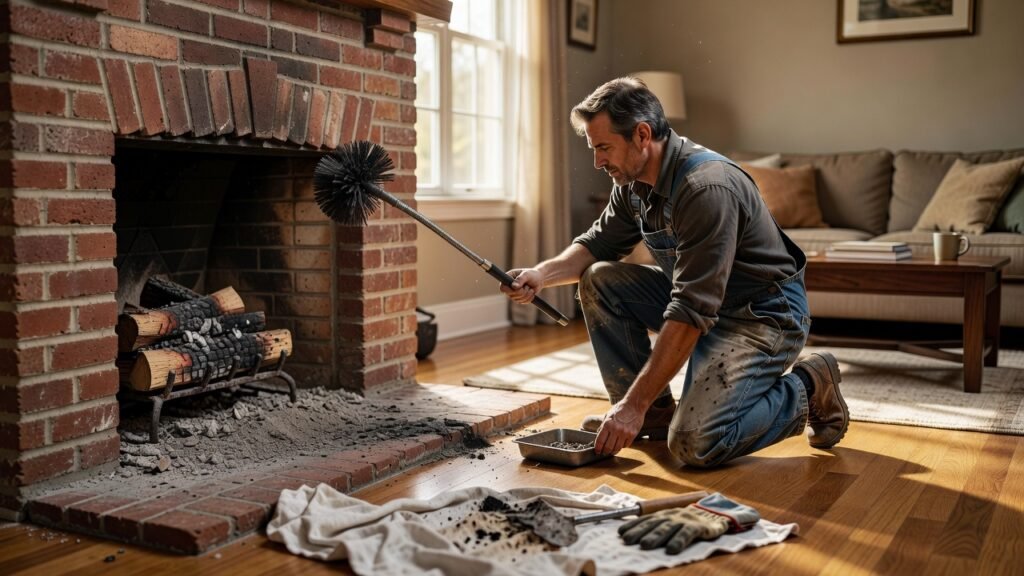
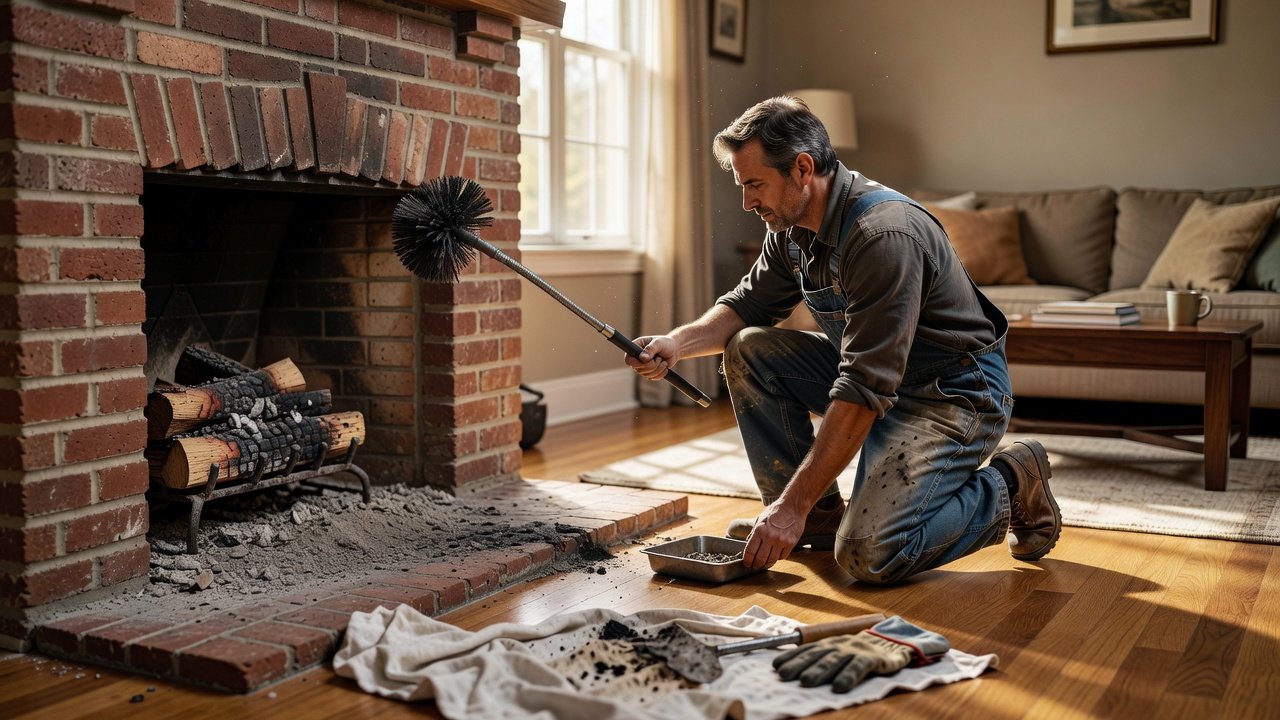
Many chimney problems don’t happen because homeowners completely ignore their fireplaces. More often, they develop after routine maintenance is mistaken for a complete chimney cleaning. Cleaning the fireplace glass, removing ashes, or using a creosote sweeping log can help with basic maintenance, but those tasks are not a substitute for a professional chimney inspection and cleaning.
Here’s what homeowners in Englewood and throughout Bergen County should know about caring for their chimney system.
What a Homeowner Can Safely Do
Many routine fireplace maintenance tasks can safely be handled by homeowners.
Cleaning the Firebox
After the fireplace has been completely cool for at least 24 hours, ashes and debris can be removed from the firebox using a metal ash bucket with a lid. Leaving a small layer of ash during the heating season may help insulate the fire bed.
Cleaning Fireplace Glass
Fireplace glass can generally be cleaned using a commercial fireplace glass cleaner or a paste made from fireplace ash and water to remove soot buildup.
Checking the Damper
Before using the fireplace each season, open and close the damper to ensure it moves freely. When the damper is fully open, shining a flashlight upward should allow you to see daylight through the chimney.
Performing a Basic Visual Inspection
Homeowners can visually examine the firebox and refractory panels for obvious signs of damage. Small hairline cracks may occur naturally, while wider cracks, broken panels, or deteriorating materials should be professionally evaluated.
Monitoring Fireplace Draft
If smoke regularly enters the room during fireplace use, make note of when it occurs. This information can help a chimney professional identify possible drafting issues during an inspection.
Where Professional Chimney Service Becomes Important
Some chimney maintenance requires specialized equipment, professional training, and a thorough inspection.
Professional Chimney Cleaning
Although chimney brushes are available for homeowners, cleaning the flue is only one part of chimney maintenance.
The National Fire Protection Association (NFPA 211) recommends annual chimney inspections. During a professional visit, the technician also evaluates the chimney liner, smoke chamber, chimney crown, cap, and other accessible components for signs of deterioration.
Heavy Creosote Buildup
Creosote accumulates in different stages.
Light deposits are generally easier to remove, while heavier or glazed creosote may require specialized cleaning methods and equipment beyond standard chimney brushes.
Chimney Liner Repairs
If the chimney liner develops cracks, gaps, or deterioration, professional repair or replacement is recommended to help maintain proper venting of combustion gases and improve overall chimney safety.
Masonry Repairs
Mortar joints naturally deteriorate over time because of weather exposure. Professional tuckpointing uses materials appropriate for chimney applications to help restore the masonry and reduce future moisture intrusion.
Chimney Crown and Cap Repairs
A damaged chimney crown or missing chimney cap can allow moisture to enter the chimney system. Professional inspections help identify these issues before more significant deterioration develops.
Common Chimney Cleaning Mistakes
One of the most common mistakes homeowners make is assuming that occasional fireplace use eliminates the need for annual inspections.
Even fireplaces used only a few times each season can accumulate creosote and experience moisture-related deterioration.
Another common mistake is waiting until visible problems appear before scheduling an inspection. Water stains, smoke odors, difficult damper operation, or exterior masonry damage often develop gradually over time.
Annual chimney inspections help identify developing maintenance issues before they require more extensive repairs.
Typical Chimney Cleaning Costs in Englewood
For a standard Level 1 chimney inspection combined with chimney cleaning for a single-flue masonry fireplace, homeowners in Bergen County generally pay approximately $175 to $275, depending on the condition of the chimney.
Fireplaces with heavier creosote buildup or those that have gone several years without cleaning may require additional labor or specialized cleaning methods.
Typical additional costs include:
- Chimney cap replacement: approximately $150 to $400, depending on chimney size, accessibility, and cap material.
- Stainless steel chimney liner installation: approximately $2,500 to $4,500 or more, depending on chimney height, accessibility, and installation requirements.
Routine chimney inspections and maintenance often help identify smaller issues before more extensive repairs become necessary.
Schedule a Professional Chimney Inspection
Tenafly Chimney proudly serves homeowners throughout Englewood, Alpine, Cresskill, Demarest, and surrounding Bergen County communities with professional chimney inspections, chimney cleaning, chimney cap installation, masonry repair, and chimney maintenance services.
Contact Tenafly Chimney today to schedule a professional chimney inspection. Our experienced team will evaluate your chimney system, explain any recommended maintenance, and answer your questions so you can make informed decisions about caring for your fireplace and chimney.
Areas we serve
Tenafly, NJ · Tenafly, NJ · Tenafly, NJ · Tenafly, NJ · Tenafly, NJ · Tenafly, NJ