When to Schedule Creosote Removal in Bergen County, NJ and the Mistakes That Cost Homeowners the Most
The best time to schedule chimney cleaning and inspection in Bergen County, New Jersey, is often spring or summer, before demand increases during the fall. Homeowners in Tenafly, Englewood, Alpine, and nearby communities can use the warmer months to address creosote buildup and arrange repairs before the next heating season. However, there is no single deadline that applies to every chimney. The right timing depends on how often you burn wood, the condition of the chimney, and the findings of a professional inspection. Understanding the seasonal options can help you avoid last-minute appointments and catch problems before you use your fireplace again.
Spring Is a Good Time to Schedule Chimney Cleaning
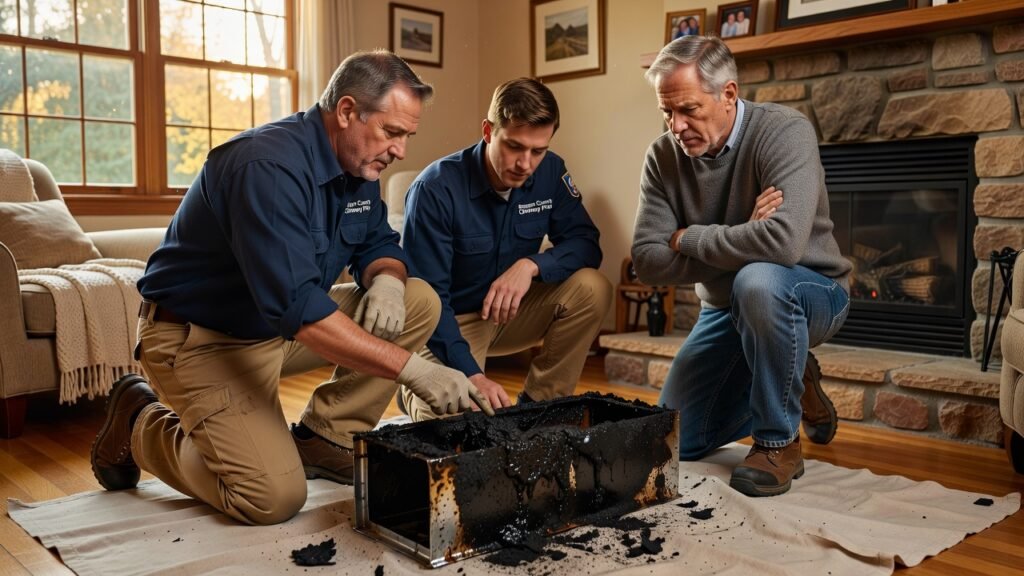
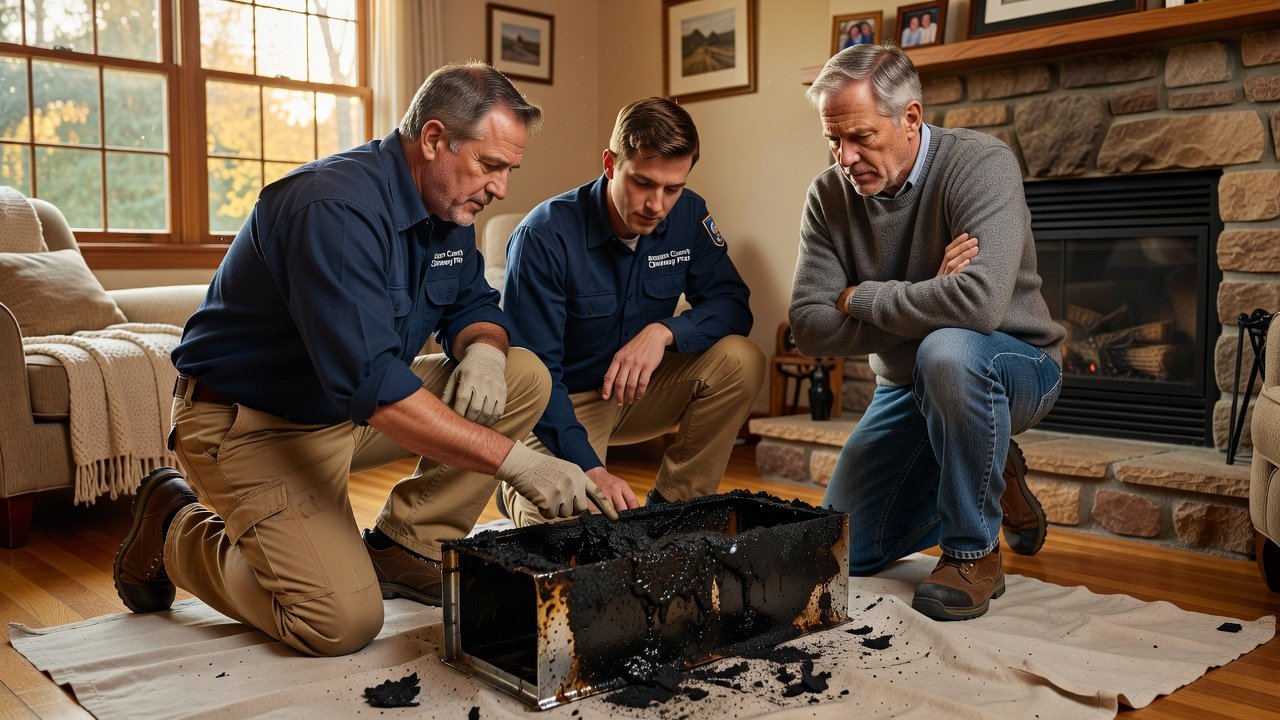
After the last fire of winter, spring offers a convenient opportunity to have your chimney inspected and cleaned if necessary. Creosote, a combustible deposit produced by burning wood, can accumulate along the inside of the flue. Its amount and condition depend on factors such as wood moisture, burning habits, and how the appliance operates.
The Chimney Safety Institute of America (CSIA) recommends that chimneys be inspected at least once a year, with cleaning and repairs completed when needed. Scheduling service in April or May can help homeowners identify deposits, obstructions, damaged liners, or other issues before the next heating season. Spring service may also offer more appointment flexibility than the busy fall period. The CSIA notes that off-season scheduling can be more flexible and sometimes less expensive.
The mistake: Assuming there is no reason to schedule service once the fireplace is no longer in use. A chimney can contain combustible deposits or develop damage even while it sits unused. An inspection helps determine whether cleaning or repairs are necessary.
Summer Is an Opportunity to Complete Repairs
June through August can be a practical time to arrange chimney work. Homeowners may have more flexibility to schedule inspections, compare estimates, and plan repairs before cold weather returns. If an inspection identifies damaged masonry, a deteriorated liner, a faulty damper, or a missing chimney cap, summer may provide time to address the issue without a last-minute rush.
Some masonry work requires specific temperature and weather conditions, so the contractor should determine the appropriate time and precautions for the repair. Not every job must be completed during summer, but planning ahead can reduce scheduling pressure as the heating season approaches.
The mistake: Waiting until fall to address a known problem. Contractor availability, material delivery, and weather conditions can affect the schedule. If your inspection identifies damage, ask for a written repair plan and an estimated completion date.
Fall Is a Busy Time for Chimney Sweeps
As temperatures begin to drop, many homeowners arrange chimney cleaning and inspection before lighting their first fires. This can increase demand for appointments, although waiting times vary by company and year. Scheduling early gives you more time to compare estimates and arrange any additional work.
Do not treat a specific calendar date as a universal safety deadline. The important point is to have the chimney inspected at least annually and to address any required cleaning or repairs before continued use. If your chimney has not been inspected since the previous heating season, arrange an inspection before lighting the fireplace.
The mistake: Waiting until the first cold night to book service. A last-minute appointment may be harder to secure, and discovering a damaged liner or heavy creosote buildup could delay fireplace use.
Winter: What If You Missed the Fall Window?
Chimney service can still be scheduled during winter. If you missed your usual appointment, contact a qualified chimney sweep to discuss when the chimney can be inspected and cleaned safely. If heavy creosote buildup or possible chimney damage is suspected, do not continue using the fireplace while waiting for an assessment.
A cleaning appointment may also reveal masonry problems that require separate repairs. Some exterior masonry work needs special cold-weather procedures, so the contractor should determine whether repairs can be completed safely under the current conditions or should be planned for warmer weather.
The mistake: Assuming a fireplace is safe because it looks clean from below. Creosote and damage can occur in areas that are not visible from the firebox. A proper inspection examines the accessible parts of the system according to the inspection level required.
What Does Professional Creosote Removal Involve?
A professional chimney service typically begins with an inspection to assess the chimney, identify deposits, and determine whether cleaning is needed. The sweep then selects a suitable cleaning method based on the type and condition of the buildup. Mechanical brushing is commonly used for ordinary deposits. Hard or glazed creosote may require specialized professional treatment before mechanical removal.
The CSIA cautions that chemical chimney-cleaning products should not replace annual inspections or professional cleaning. Some products may help alter hard deposits, but the resulting material still needs to be removed, and the chimney must be evaluated for other potential hazards.
The cost depends on the amount and condition of the buildup, chimney access, flue configuration, and whether additional inspection or repair work is needed. Ask for a written estimate that separates standard cleaning from any recommended extra services.
A Level 2 inspection includes a more detailed assessment of accessible parts of the chimney system and requires an internal video scan or similar examination of the flue. It may be recommended when the system changes, after an event that could have damaged the chimney, or when a Level 1 inspection cannot determine whether the system is suitable for continued use.
How to Choose a Chimney Sweep in Bergen County
When hiring a chimney professional, look for a current CSIA certification and ask about relevant experience, insurance, and the scope of service. The CSIA provides an online directory to help homeowners locate certified professionals to learn more about chimney safety and finding a qualified sweep.
Homeowners in Tenafly, Englewood, Alpine, and surrounding Bergen County communities can also compare local service providers. Before scheduling, ask whether the appointment includes a cleaning, an inspection, a written report, and photographs or video when appropriate. Confirm any additional charges before authorizing work.
Tenafly Chimney is a potential local option to investigate. Before publishing or relying on a specific offer, verify whether the company currently provides free inspections, holds active CSIA credentials, and serves your address. You can check its website at tenaflychimney.com.
Schedule Before You Need Your Fireplace
Spring and summer are often convenient times to arrange chimney service, while early fall gives homeowners another opportunity to prepare before regular fireplace use. The most important step is not meeting an arbitrary seasonal deadline. It is arranging an annual inspection, completing cleaning when necessary, and addressing safety issues before using the system.
Planning ahead gives you more time to compare estimates and arrange repairs. It can also help you avoid the rush that often comes when colder weather arrives.
Related from Tenafly Chimney: When to Waterproof Your Chimney in Englewood and the Mistakes That Cos · Creosote Removal in Bergen County NJ · Chimney Sweep in Tenafly
Our services
Chimney Sweep in Tenafly · Chimney Sweep in Tenafly · Chimney Sweep Tenafly · Chimney Sweep in Tenafly, NJ · Chimney Sweep in Tenafly · Chimney Sweep in Tenafly
Areas we serve
Tenafly, NJ · Tenafly, NJ · Tenafly, NJ · Tenafly, NJ · Tenafly, NJ · Tenafly, NJ