
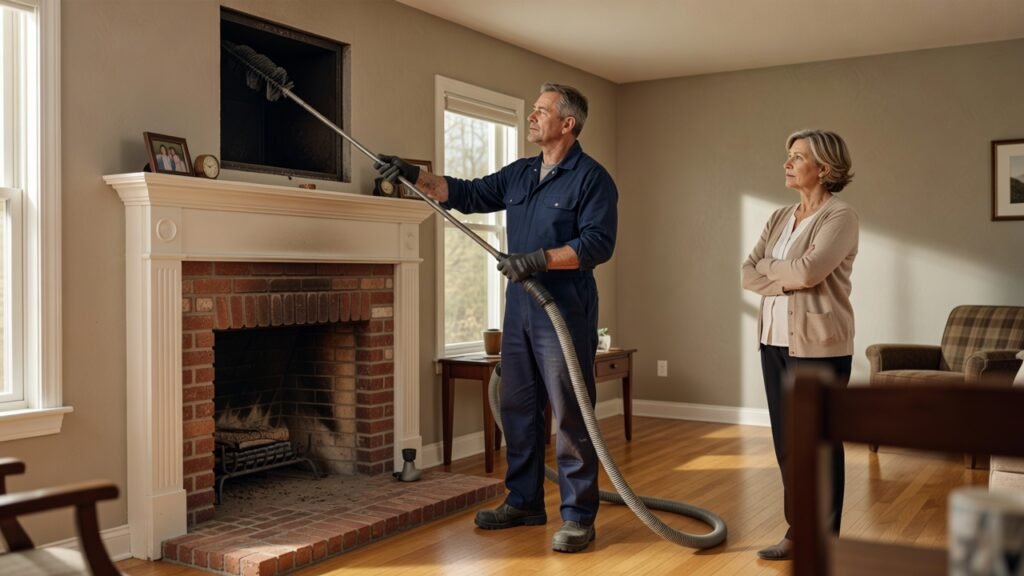
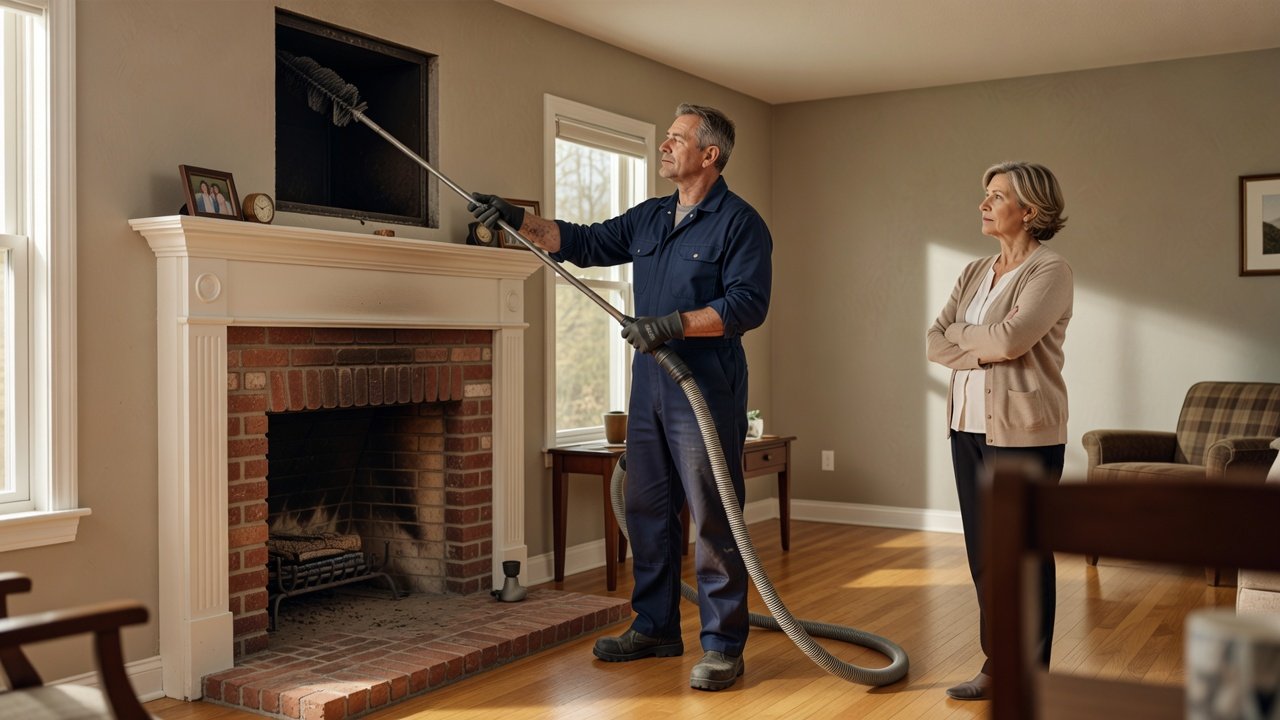
What Closter Homeowners Get Wrong About Hiring a Chimney Sweep
Many homeowners assume scheduling a chimney sweep is no different than scheduling routine HVAC maintenance. While regular chimney service is certainly preventative maintenance, there are several misconceptions about what professional chimney sweeping actually involves and why it matters.
Throughout Closter, Englewood, Alpine, and surrounding Bergen County communities, chimney professionals frequently hear the same questions from homeowners. Understanding the facts can help you make informed decisions that improve both fireplace safety and long-term chimney performance.
Why Annual Chimney Inspections Matter
Even if your fireplace sees very little use, your chimney remains exposed to weather, moisture, wildlife, and seasonal temperature changes throughout the year.
Professional inspections help identify developing issues before they become expensive repairs or safety hazards.
Routine inspections can uncover:
- Water intrusion
- Damaged chimney liners
- Masonry deterioration
- Animal nesting
- Creosote accumulation
- Damaged chimney caps
- Draft problems
Scheduling annual service allows small issues to be corrected before they affect your fireplace’s performance or your home’s safety.
Misconception #1: “I Hardly Use My Fireplace, So I Don’t Need a Chimney Sweep.”
One of the most common misconceptions is that limited fireplace use eliminates the need for annual chimney maintenance.
While less frequent use generally means less creosote buildup, it does not prevent problems caused by:
- Rain
- Snow
- Moisture
- Freeze-thaw cycles
- Birds
- Squirrels
- Raccoons
- Deteriorating masonry
A chimney that remains unused for an entire year may still require professional attention due to weather-related deterioration or wildlife activity.
Misconception #2: “A Chimney Sweep Just Brushes the Flue.”
Professional chimney cleaning involves far more than simply brushing soot from the chimney.
A thorough chimney service typically includes inspection of:
- Firebox
- Damper
- Smoke chamber
- Flue liner
- Chimney cap
- Chimney crown
- Exterior masonry
- Visible flashing
Many chimney problems cannot be identified without a careful inspection of the entire system.
Misconception #3: “Newer Homes Don’t Need Chimney Inspections.”
Newer homes are not immune to chimney problems.
Factory-built fireplaces and modern chimney systems can still experience:
- Moisture intrusion
- Corrosion
- Creosote buildup
- Damaged chase covers
- Flashing failures
- Draft problems
Regardless of the home’s age, annual inspections remain an important part of fireplace maintenance.
Misconception #4: “The Cost Isn’t Worth It.”
Professional chimney sweeping is considerably less expensive than major chimney repairs.
Typical chimney maintenance may include:
- Chimney sweeping
- Level 1 inspections
- Basic maintenance recommendations
- Creosote evaluation
- Draft assessment
Routine maintenance often helps homeowners avoid costly repairs such as:
- Chimney liner replacement
- Masonry rebuilding
- Crown reconstruction
- Water damage restoration
- Firebox repairs
Preventative maintenance protects both your fireplace and your investment.
Misconception #5: “Any Handyman Can Clean My Chimney.”
Chimney systems require specialized knowledge of:
- Draft performance
- Combustion safety
- Chimney construction
- Venting systems
- Masonry
- Fireplace operation
Professional chimney technicians receive specialized training to identify safety concerns that may not be obvious during a general home inspection.
When selecting a chimney company, ask about:
- Professional certifications
- Insurance coverage
- Experience with chimney inspections
- Repair capabilities
- Written inspection reports
Choosing an experienced professional provides greater confidence that your fireplace is operating safely.
Misconception #6: “Cleaning Will Fix Every Fireplace Problem.”
While chimney cleaning removes soot, creosote, and obstructions, it cannot correct every issue.
Some problems require additional repairs, including:
- Damaged chimney liners
- Improper flue sizing
- Draft design issues
- Air pressure imbalances
- Structural masonry damage
A thorough inspection helps determine whether cleaning alone is sufficient or whether repairs are necessary.
How to Choose the Right Chimney Company
When comparing chimney service providers, look for companies that offer:
- Comprehensive inspections
- Clear written estimates
- Transparent pricing
- Photo documentation
- Honest repair recommendations
- Professional certifications
- Fully insured technicians
Avoid companies advertising unrealistically low prices or recommending expensive repairs without documenting the problem.
Why Early Chimney Maintenance Saves Money
Scheduling chimney service before the heating season provides several advantages.
Homeowners benefit from:
- Better appointment availability.
- Earlier detection of problems.
- Lower repair costs.
- Improved fireplace performance.
- Greater peace of mind throughout winter.
Small maintenance issues identified during the summer or early fall are typically much less expensive to repair than damage discovered after months of heavy fireplace use.
Frequently Asked Questions
1. How often should my chimney be professionally inspected?
Most homeowners should schedule a chimney inspection at least once every year, regardless of how often the fireplace is used.
2. Do I need a chimney sweep if I rarely use my fireplace?
Yes. Even infrequently used chimneys can develop moisture damage, animal nesting, masonry deterioration, and other issues that require professional inspection.
3. What does a professional chimney sweep include?
Most chimney sweeping services include cleaning the flue, inspecting the firebox, damper, smoke chamber, chimney liner, chimney cap, crown, and other visible chimney components.
4. Can chimney cleaning fix smoke entering my home?
Not always. While cleaning removes obstructions and creosote, smoke problems may also result from damaged liners, poor draft, structural issues, or airflow imbalances.
5. When is the best time to schedule chimney maintenance?
Late summer and early fall are ideal because appointment availability is typically better, and repairs can be completed before the fireplace is used regularly during winter.
Schedule Your Free Chimney Inspection Today
If it has been more than a year since your chimney was professionally inspected or if you’ve never scheduled a chimney inspection now is the ideal time to protect your home before colder weather arrives.
Tenafly Chimney proudly serves homeowners throughout Closter, Englewood, Alpine, Tenafly, Cresskill, Demarest, Haworth, Norwood, Rockleigh, and communities across Bergen County. Our experienced chimney professionals provide chimney sweeping, Level 1 and Level 2 chimney inspections, video camera inspections, chimney liner evaluations, creosote removal, chimney cap installation, crown repair, waterproofing, masonry restoration, fireplace maintenance, and complete chimney safety evaluations. Every inspection includes honest recommendations, detailed documentation, and expert guidance to help keep your fireplace operating safely and efficiently throughout the year. Contact Tenafly Chimney today to schedule your free chimney inspection estimate before the busy heating season begins.
Areas we serve
Tenafly, NJ · Tenafly, NJ · Tenafly, NJ · Tenafly, NJ · Tenafly, NJ · Tenafly, NJ