
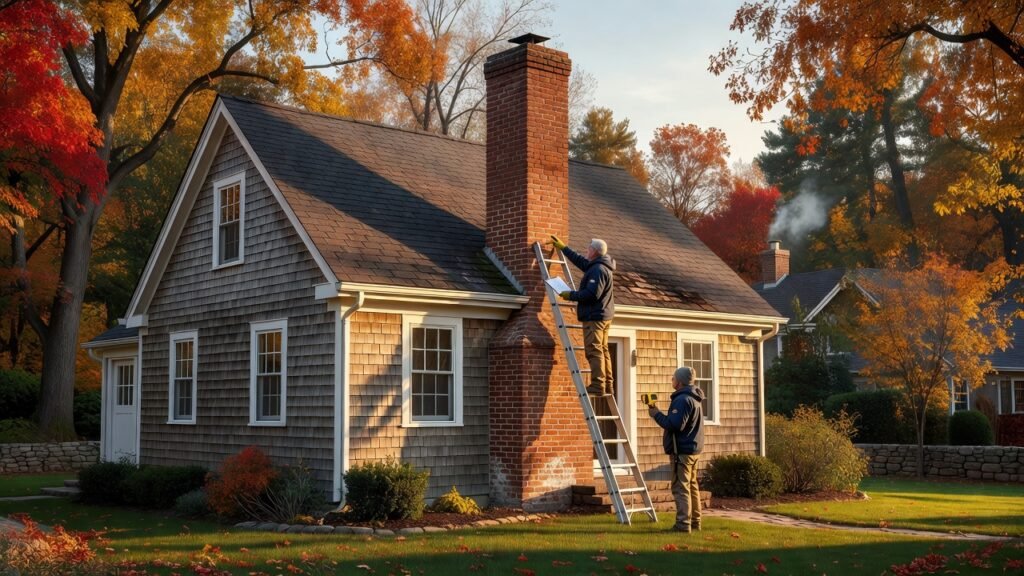
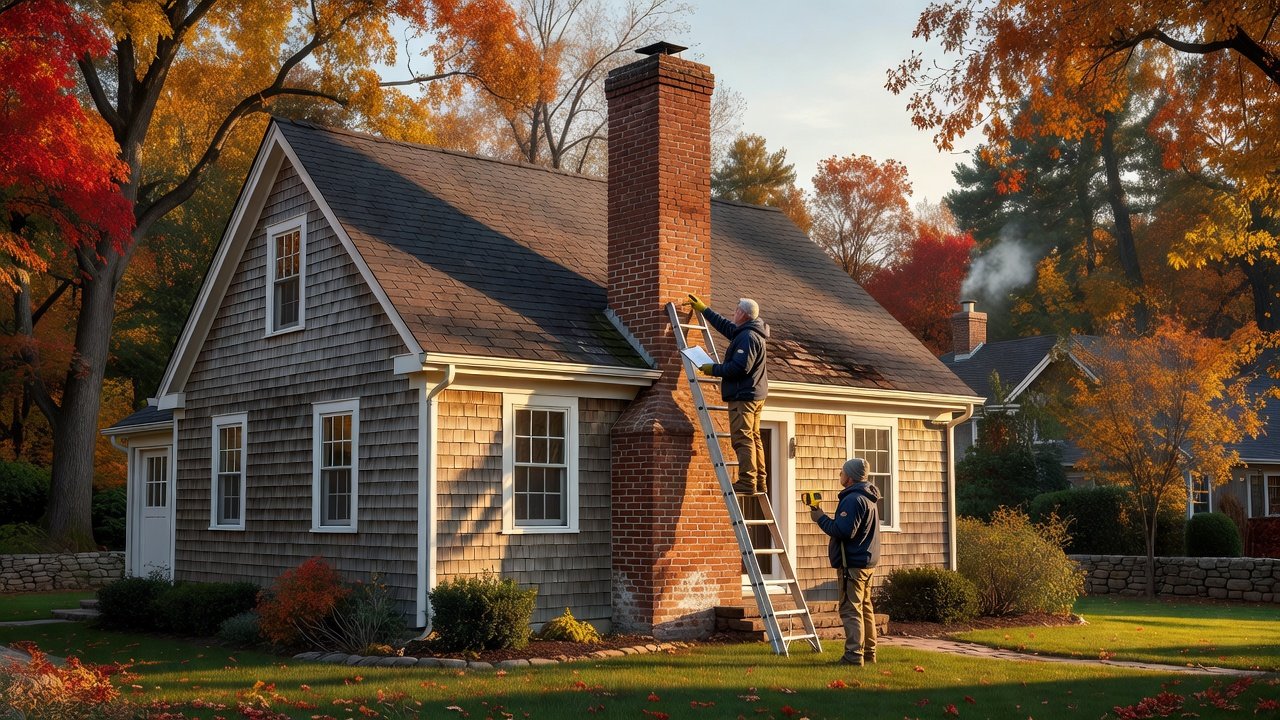
What Alpine and Tenafly Homeowners Need to Know Before Hiring a Chimney Liner Repair Company
A damaged chimney liner is far more than a cosmetic issue. It is one of the most important safety components of your chimney system, and when it begins to crack or deteriorate, it can expose your home to serious fire hazards and carbon monoxide risks. Because chimney liners are hidden inside the flue, many homeowners don’t realize there is a problem until an inspection uncovers significant damage or performance issues.
If you own a home in Alpine, Tenafly, or another Bergen County community, understanding what to look for in a chimney liner repair company can help you avoid unnecessary expenses, ensure the repair is completed correctly, and protect your family for years to come.
Why Your Chimney Liner Matters
The chimney liner safely directs smoke, heat, and combustion gases from your fireplace or heating appliance out of your home.
A properly functioning liner helps:
- Prevent excessive heat transfer to surrounding materials.
- Reduce the risk of chimney fires.
- Protect chimney masonry from deterioration.
- Improve draft and fireplace efficiency.
- Reduce the risk of carbon monoxide entering your home.
According to NFPA 211, chimney liners should remain continuous, properly sized, and free of cracks or structural defects.
Many homes throughout Alpine and Tenafly were built decades ago with clay tile chimney liners. Although durable, these liners naturally deteriorate over time due to moisture intrusion, repeated freeze-thaw cycles, and years of heating and cooling.
Qualifications Every Chimney Repair Company Should Have
Before comparing estimates, verify that the company meets important professional standards.
Look for:
- CSIA (Chimney Safety Institute of America) certification
- General liability insurance
- Workers’ compensation coverage
- Positive customer reviews
- Experience repairing chimney liners in Bergen County
If your project involves a gas fireplace or inserts, National Fireplace Institute (NFI) certification is an additional qualification worth considering because it demonstrates specialized knowledge of gas appliance venting systems.
Never hesitate to request proof of certifications and insurance before work begins.
Questions to Ask Before Hiring a Chimney Liner Repair Company
Choosing the right contractor starts with asking the right questions.
What Repair Method Do You Recommend?
Professional chimney liner repairs generally fall into one of three categories:
- Stainless steel chimney liner installation
- HeatShield® or comparable resurfacing systems
- Complete clay tile liner replacement
The recommended solution should be based on your chimney’s condition—not a one-size-fits-all approach.
Will You Perform a Camera Inspection?
A Level 2 chimney inspection should include a camera evaluation of the entire chimney liner.
The inspection should clearly identify:
- Cracks
- Missing mortar joints
- Water damage
- Creosote buildup
- Structural deterioration
Always ask to review the inspection images or video before approving repairs.
How Will You Determine the Correct Liner Size?
Proper chimney liner sizing depends on:
- Fireplace type
- Heating appliance
- Chimney height
- Flue dimensions
- Manufacturer requirements
Improper sizing can reduce efficiency, create drafting issues, and increase creosote buildup.
What Does the Warranty Cover?
Request written warranty information covering:
- Materials
- Installation
- Labor
- Manufacturer guarantees
Quality stainless steel chimney liners often include long-term manufacturer warranties, while labor coverage varies between contractors.
Are Permits Required?
Depending on local building requirements, chimney liner replacement may require permits and inspections.
Ask whether your contractor will obtain any necessary permits and coordinate required inspections.
Can You Provide Local References?
Experienced contractors should be able to provide references from homeowners throughout Alpine, Tenafly, and nearby Bergen County communities.
Speaking with previous customers can provide valuable insight into workmanship, professionalism, and communication.
How Do You Handle Unexpected Damage?
Hidden chimney damage is sometimes discovered after work begins.
Before signing a contract, ask how additional findings will be documented, priced, and approved if unexpected repairs become necessary.
Warning Signs of an Unreliable Chimney Contractor
Be cautious if a contractor:
- Creates unnecessary urgency without documentation.
- Refuses to perform a camera inspection.
- Provides unusually vague estimates.
- Cannot explain repair recommendations.
- Offers prices that seem dramatically lower than competitors.
- Shows up uninvited after storms.
- Cannot provide proof of certifications or insurance.
A trustworthy chimney company explains its recommendations clearly and gives homeowners time to review inspection findings before making decisions.
Comparing Chimney Repair Estimates
When comparing estimates, make sure each proposal includes the same scope of work.
A complete estimate should specify:
- Repair method
- Chimney liner material
- Liner diameter
- Manufacturer
- Labor costs
- Warranty information
- Inspection services
- Cleanup
- Permit requirements (if applicable)
Comparing detailed proposals helps you evaluate value instead of simply choosing the lowest price.
When Is the Best Time to Schedule Chimney Liner Repairs?
The busiest season for chimney companies is fall, when homeowners prepare for colder weather.
Scheduling inspections during late winter, spring, or summer often provides:
- Greater appointment availability
- Faster project completion
- More flexible scheduling
- Additional time for repairs before heating season
If your home was built before 1985 and the chimney liner has never been professionally inspected, now is an excellent time to schedule a comprehensive evaluation.
Why Regular Chimney Inspections Save Money
Routine inspections help identify problems before they become major repairs.
Annual chimney inspections can detect:
- Cracked chimney liners
- Water intrusion
- Masonry deterioration
- Chimney cap damage
- Flashing leaks
- Creosote buildup
- Drafting problems
Early detection helps reduce repair costs while extending the lifespan of your chimney system.
Frequently Asked Questions
1. How do I know if my chimney liner needs repair?
Common signs include smoke entering your home, poor fireplace draft, visible cracks found during an inspection, unusual fireplace odors, excessive creosote buildup, or water damage inside the chimney.
2. What is a Level 2 chimney inspection?
A Level 2 inspection includes a camera examination of the entire chimney liner and is recommended when damage is suspected, after a chimney fire, before installing a new appliance, or when purchasing or selling a home.
3. Can a cracked chimney liner be repaired instead of replaced?
Yes. Minor damage may sometimes be repaired using resurfacing systems, while more extensive deterioration often requires installing a new stainless steel chimney liner. The appropriate solution depends on the condition of the existing liner.
4. Why is CSIA certification important?
CSIA-certified chimney professionals receive specialized training in chimney inspections, fireplace safety, venting systems, and industry standards, helping ensure repairs are performed safely and correctly.
5. When is the best time to schedule chimney liner repairs?
Late winter, spring, and summer are often the best times because chimney companies generally have greater availability, allowing repairs to be completed before the busy heating season begins.
Schedule Your Free Chimney Liner Inspection Today
A damaged chimney liner should never be ignored. Whether your fireplace shows obvious warning signs or has simply gone years without an inspection, a professional evaluation can identify hidden problems before they become expensive repairs.
Tenafly Chimney proudly serves homeowners throughout Alpine, Tenafly, Englewood, and surrounding Bergen County communities. Our CSIA-certified chimney professionals provide comprehensive Level 2 chimney inspections, detailed camera evaluations, expert chimney liner repairs, and honest recommendations tailored to your home’s needs. Contact us today to schedule your free chimney inspection consultation and gain peace of mind before the next heating season begins.
Our services
Chimney Sweep Tenafly · Chimney Sweep in Tenafly, NJ · Chimney Sweep in Tenafly · Chimney Sweep in Tenafly · Chimney Maintenance · Chimney Repairs
Areas we serve
Tenafly, NJ · Tenafly, NJ · Tenafly, NJ · Tenafly, NJ · Tenafly, NJ · Tenafly, NJ