
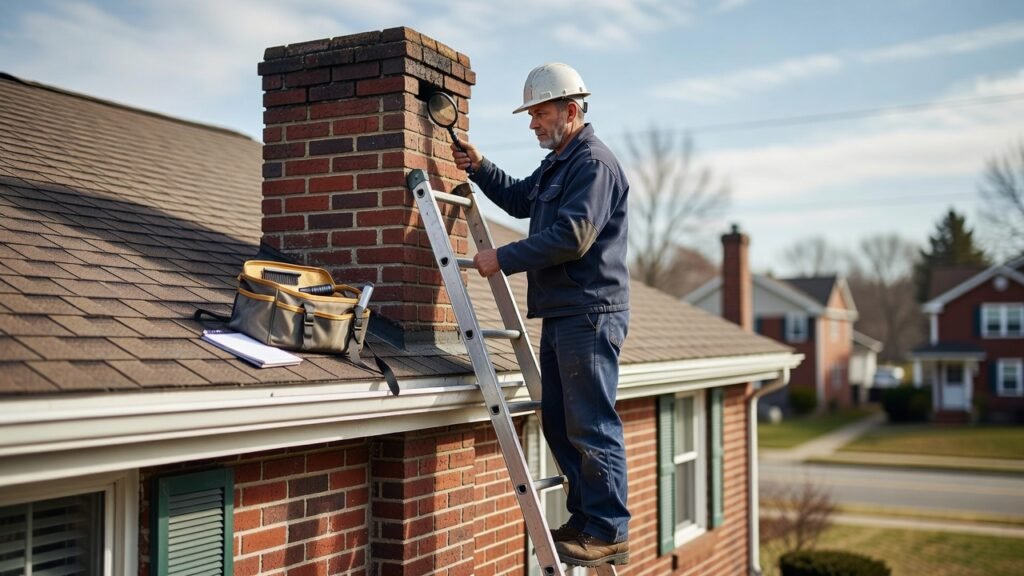
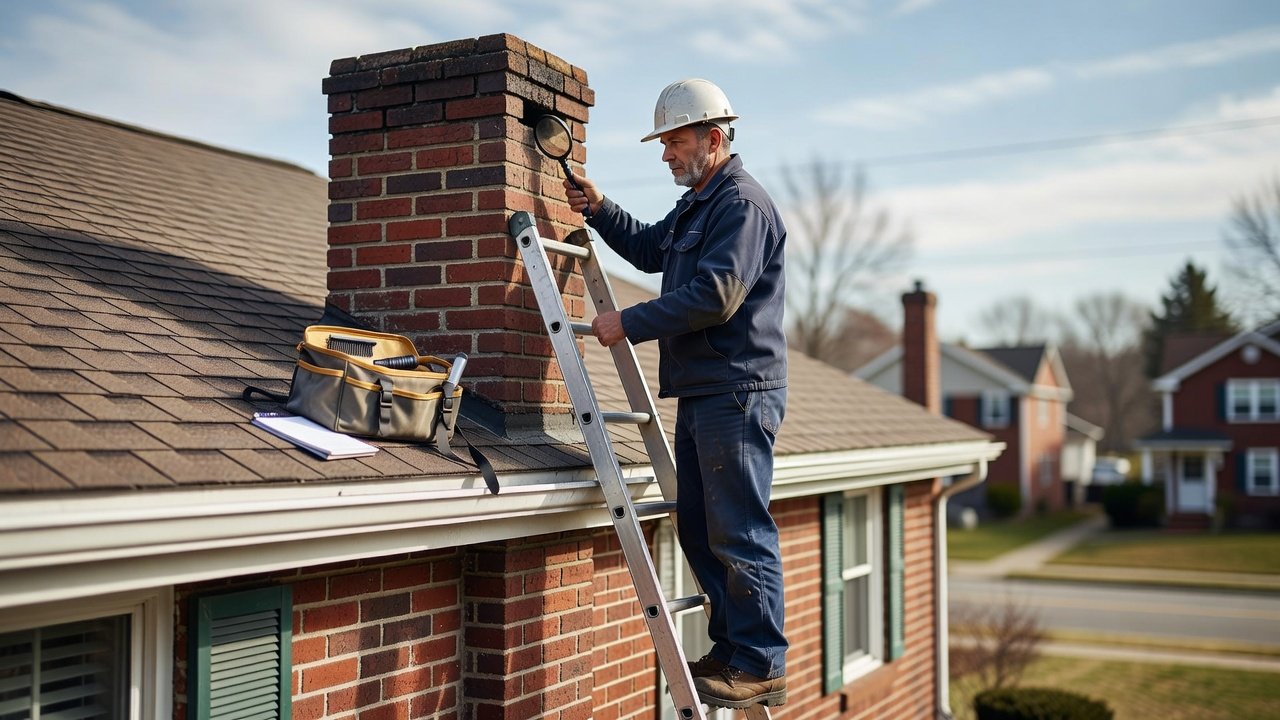
What Closter Homeowners Get Wrong About Annual Chimney Inspections
Most chimneys in Closter look fine from the outside. That can be misleading. Older Bergen County homes can have deterioration inside the flue, smoke chamber, crown, or other areas that are not visible from the living room. A homeowner may open the damper, see nothing obvious, and assume the system is safe. By the time a problem becomes noticeable, the repair can be considerably more expensive than routine inspection and maintenance. There is also plenty of confusion about what an annual chimney inspection actually involves, who should perform it, and what homeowners should expect to receive afterward. Understanding those differences can help Closter homeowners make better decisions about chimney maintenance.
“I Only Need an Inspection If I Use the Fireplace a Lot”
How often you use a fireplace is one factor in chimney maintenance, but it is not the only one. Chimneys can develop problems even when they are used infrequently. Moisture, weather exposure, animal intrusion, masonry deterioration, and aging components can all affect the system while it is sitting unused.
Freeze-thaw cycles can be particularly hard on masonry. Water that enters cracks or deteriorated joints can expand when temperatures fall and contribute to further deterioration.
For that reason, homeowners should not assume that an unused chimney automatically needs less attention. A qualified professional can recommend an appropriate inspection and maintenance schedule based on the chimney’s condition, appliance, and usage.
“Any Contractor With a Ladder Can Do This”
Chimney inspection requires more than simply looking at the exterior of the stack.
A CSIA Certified Chimney Sweep is one credential homeowners can look for when choosing a chimney professional. NFI certification can also be relevant for technicians who work with certain fireplace and heating appliances.
Before booking, ask:
- Is the technician CSIA certified?
- Does the company carry appropriate liability insurance and workers’ compensation coverage?
- What inspection level will be performed?
- Will you receive written documentation of the findings?
- If a more detailed inspection is recommended, what additional work will it involve?
A Level 1 inspection generally involves visual examination of accessible portions of the chimney and connected appliance. A Level 2 inspection is more extensive and can include video scanning of the flue.
A Level 2 inspection may be appropriate or required in situations such as a change to the appliance or venting system, a property transfer, or after certain chimney-related events. The appropriate inspection level should be determined based on the circumstances of the chimney.
“A Clean Chimney Is a Safe Chimney”
Cleaning and inspection are related, but they are not the same service.
A chimney can be free of significant creosote and still have a cracked flue liner, deteriorated masonry, a damaged crown, a faulty damper, or another problem that affects safe operation.
Sweeping addresses combustible deposits and debris. An inspection evaluates the accessible condition and function of the chimney system.
That distinction is important because some of the most significant chimney problems are not visible from the firebox. A camera inspection, when appropriate, can provide a much better view of the interior flue than a basic visual examination.
Homeowners should also keep their service documentation. A written report provides a useful record of what was inspected and what was found. Insurance requirements vary by policy, so homeowners should check directly with their insurer rather than assuming that an inspection report is automatically required for coverage.
“New Homes Don’t Need Inspections”
Newer construction does not automatically eliminate the need for chimney maintenance.
Factory-built fireplaces and prefabricated chimney systems have specific components that can deteriorate or become damaged. These can include refractory panels, metal flue sections, joints, dampers, and chimney caps.
The manufacturer’s maintenance recommendations should be followed for these systems. Homeowners should also pay attention to any changes in fireplace performance, unusual odors, water intrusion, or visible deterioration.
A newer home may require less maintenance than an older one in some circumstances, but age alone is not a reason to ignore the chimney.
“A Higher Price Means a Better Inspection”
Price is useful when comparing services, but it is not a reliable measure of inspection quality.
In the Bergen County market, a Level 1 inspection may fall around $150 to $250, while a Level 2 inspection with video documentation can commonly range from $250 to $400 or more, depending on the chimney and scope of work.
These are general price ranges rather than guaranteed quotes. Chimney height, number of flues, accessibility, inspection level, reporting requirements, and other site conditions can affect the final price.
A very low advertised price should prompt you to ask what is actually included. Likewise, a higher quote should come with a clear explanation of the additional scope.
The goal should be a clearly defined inspection, appropriate documentation, and an understandable explanation of anything the technician finds.
Choosing the Right Chimney Inspector in Closter
Closter homeowners have several options when looking for chimney service in Bergen County. Before scheduling, verify the technician’s credentials, confirm that the company carries appropriate insurance, and ask what type of inspection will be performed.
You should also ask whether you will receive a written report and photographs or video when those materials are appropriate to the inspection.
At Tenafly Chimney, we serve Closter and surrounding Bergen County communities with CSIA-certified chimney services and documented inspection findings. Our goal is to explain the condition of your chimney clearly and identify repairs only when the inspection supports them.
Contact us through tenaflychimney.com to schedule an inspection or discuss your chimney’s condition. Regular chimney inspection is an important part of maintaining a fireplace or heating system, particularly when problems may not be visible from inside the home.
Related from Tenafly Chimney: Chimney Sweep in Tenafly · Fireplace Cleaning in Tenafly, NJ
Areas we serve
Tenafly, NJ · Tenafly, NJ · Tenafly, NJ · Tenafly, NJ · Tenafly, NJ · Tenafly, NJ