
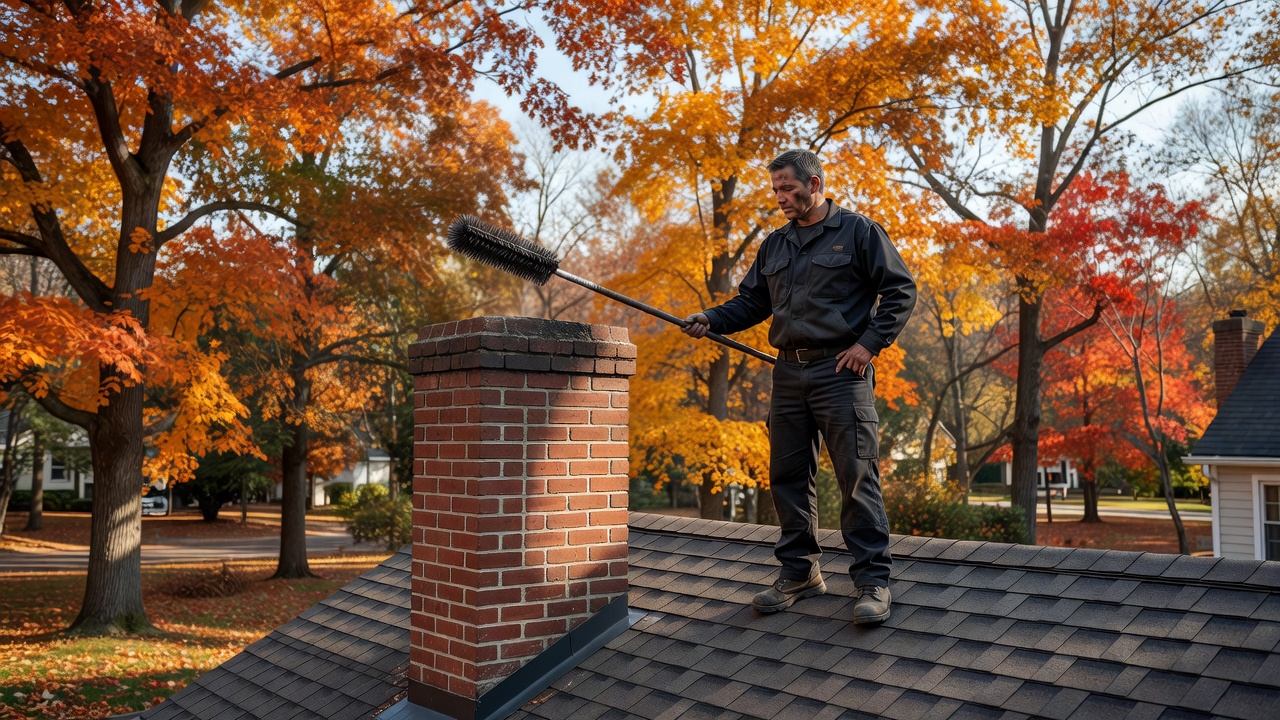
Chimney Sweep Closter
If you own a home in Closter, NJ, regular chimney maintenance helps keep your fireplace operating safely and efficiently. Tenafly Chimney provides chimney sweep services in the northern Bergen County area, including Closter. Whether you use your fireplace throughout the winter or only occasionally, an inspection can help identify creosote buildup, obstructions, and other conditions that may affect your chimney.
A chimney does not have to show obvious signs of trouble to need attention. Creosote, animal nests, leaves, damaged liners, and deteriorating masonry can develop without being immediately visible from the fireplace. A professional chimney sweep can assess the system, remove deposits when necessary, and explain whether additional repairs are recommended.
Why Closter Homeowners Should Schedule Chimney Maintenance
Closter has a mix of older and newer homes, with many residential properties built around the middle of the twentieth century. The age of a home does not automatically indicate a chimney problem, but older chimney systems may have components that need closer evaluation.
Wood-burning fireplaces produce soot and creosote as fuel burns. These deposits collect along the inside of the flue. If enough creosote accumulates, it can ignite and cause a chimney fire.
Outdoor debris can also affect chimney performance. Leaves, animal nesting materials, and other obstructions may restrict airflow or interfere with proper venting. A chimney cap can help reduce the amount of debris and wildlife entering the flue, although it does not eliminate the need for regular inspections.
Homeowners should also pay attention to changes in fireplace performance. Smoke entering the room, persistent odors, or difficulty maintaining a fire may indicate a problem with the chimney, appliance, or draft. A professional evaluation can help identify the cause rather than assuming that cleaning alone will solve it.
What Happens During a Professional Chimney Sweep?
A professional chimney sweep involves more than brushing soot out of the fireplace. The technician should evaluate the accessible parts of the chimney system and determine whether cleaning or additional attention is needed.
A typical appointment may involve the following steps.
1. Initial assessment
The technician reviews the fireplace type, fuel used, maintenance history, and any concerns you have noticed. This information helps determine the appropriate inspection and cleaning approach.
2. Chimney inspection
The technician examines accessible components for visible creosote, soot, blockages, and signs of deterioration. The inspection level depends on the chimney’s condition and whether the system has changed or experienced a problem.
3. Cleaning and debris removal
When cleaning is necessary, the technician uses brushes and appropriate equipment to remove soot and ordinary creosote deposits. A properly filtered vacuum and protective coverings help control dust and debris inside the home.
Hardened or glazed creosote may require specialized mechanical cleaning rather than ordinary brushing. The technician should explain the recommended method before proceeding.
4. Final assessment
After cleaning, the technician can explain the condition of the accessible components and identify any concerns that may require repair. Ask for photographs or a written summary so you understand the findings.
A camera examination may be appropriate when a more detailed look inside the flue is needed. However, it should not be assumed that every routine sweep automatically includes a camera inspection.
How Often Should Closter Homeowners Have Their Chimneys Cleaned?
The National Fire Protection Association (NFPA) recommends having chimneys inspected at least once a year. Cleaning should be performed when the amount and condition of the deposits indicate that it is necessary.
The frequency depends on several factors:
-
How often you use the fireplace
-
Whether you burn seasoned or unseasoned wood
-
The type of fireplace or heating appliance
-
The chimney’s design and condition
-
The amount of soot and creosote found during inspection
The Chimney Safety Institute of America (CSIA) explains that cleaning is recommended when soot and creosote deposits approach or exceed one-quarter inch. Glazed deposits greater than one-eighth inch should also be removed.
Even fireplaces that are used infrequently should receive regular inspections. Animals, debris, moisture, and structural deterioration can affect a chimney even when no fire is burning.
Chimney Sweeping for Masonry and Prefabricated Fireplaces
Not every home in Closter has the same fireplace or chimney construction. Some properties have traditional masonry fireplaces, while others may have factory-built fireplace systems.
Masonry fireplaces
These systems commonly use brick or stone construction with a masonry flue liner. Over time, mortar joints, crowns, liners, and other components can deteriorate. The inspection should consider the condition of the masonry as well as the deposits inside the flue.
Factory-built fireplaces
Factory-built fireplaces use listed components designed to work together as a complete system. Their chimneys and venting components have specific manufacturer requirements. Cleaning tools and inspection procedures must be suitable for the particular system.
If you are unsure which type of fireplace you have, ask the technician to identify it before cleaning begins. Using inappropriate tools or overlooking manufacturer requirements can damage components.
Areas Served in and Around Closter
Tenafly Chimney identifies Closter as part of its service area. Homeowners looking for chimney cleaning or inspection can contact the company to confirm availability for their address.
Nearby communities worth asking about include:
-
Demarest
-
Haworth
-
Norwood
-
Harrington Park
-
Alpine
-
Northvale
Service availability, appointment times, and any travel-related charges should be confirmed directly with the company before scheduling.
Common Chimney Questions from Closter Homeowners
Why does my fireplace smoke when I start a fire?
Smoke entering the room can have several causes. A blocked flue, inadequate draft, cold chimney, improperly sized venting system, or negative air pressure inside the home may contribute to the problem.
Creosote buildup can restrict airflow, but it is not the only possible explanation. A chimney inspection can help identify blockages or visible damage. If the flue is clear, the technician may recommend further evaluation of the fireplace and draft conditions.
Do I need a chimney sweep if I only use my fireplace occasionally?
Yes, you should still arrange an annual inspection. Limited use does not prevent animal activity, debris accumulation, moisture intrusion, or deterioration. The inspection helps determine whether cleaning is necessary.
Can a chimney sweep clean a prefabricated metal fireplace?
Many chimney professionals service both masonry and factory-built fireplaces. However, the cleaning tools and inspection procedures must be appropriate for the specific system. Ask the contractor whether they have experience with your fireplace model and can follow its manufacturer requirements.
Does every chimney cleaning include a camera inspection?
No. The inspection level and equipment depend on the system and the reason for the visit. A more detailed inspection may be recommended if there has been a chimney fire, a change in the appliance or fuel, suspected damage, or another condition requiring further examination. Ask whether camera inspection is included in the estimate or billed separately.
Schedule a Chimney Sweep for Your Closter Home
If your fireplace has not been inspected recently, or you have noticed smoke, unusual odors, or signs of buildup, arrange for a professional assessment before using it again.
Tenafly Chimney offers chimney services in the northern Bergen County area. Contact the company to confirm Closter availability, ask what its chimney sweep appointment includes, and request information about inspection reports and cleaning options.
A professional inspection can help you understand your chimney’s condition and determine whether it needs cleaning, repairs, or further evaluation.
Call Tenafly Chimney to ask about scheduling a chimney sweep in Closter, NJ.
Serving your area: For related services in nearby communities, see Greenvale Chimney and Deer Park Chimney NY.
Related from Tenafly Chimney: Chimney Sweep in Tenafly · Chimney Sweep in Tenafly — Fair Pricing, No Surprises, Done Right
Areas we serve
Tenafly, NJ · Tenafly, NJ · Tenafly, NJ · Tenafly, NJ · Tenafly, NJ · Tenafly, NJ