
Published November 6, 2026
Chimney Problems That Get Worse the Longer You Wait: A Diagnostic Guide for Tenafly Homeowners
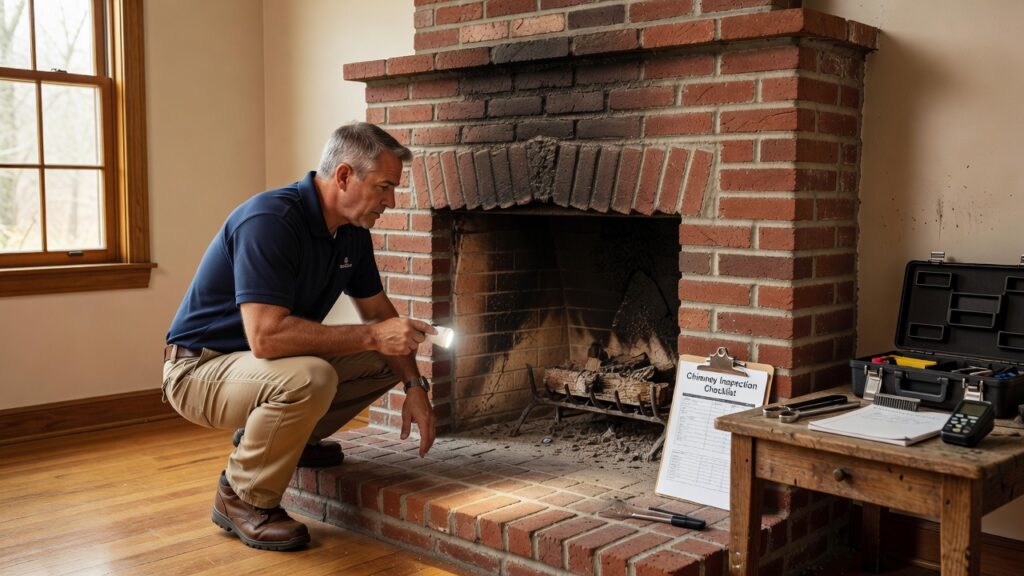
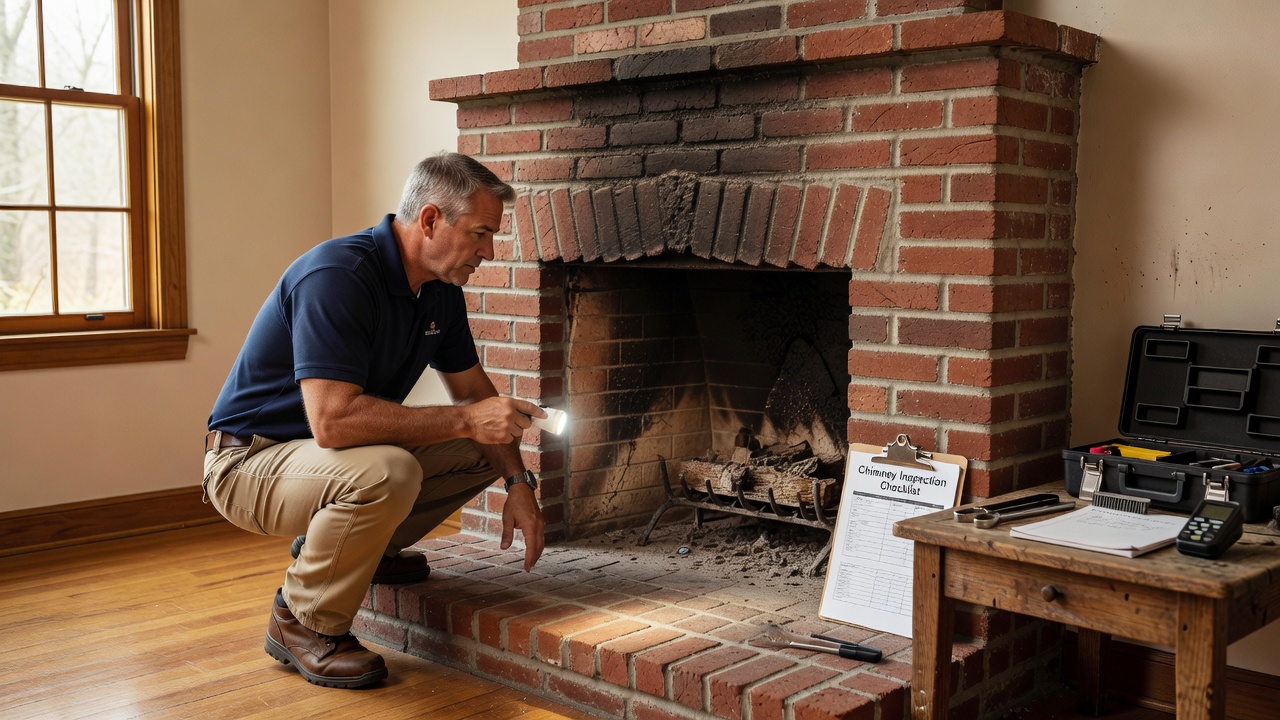
As heating season approaches, many Tenafly homeowners begin using their fireplaces again after months without a fire. Before lighting the first fire, it is worth checking the condition of the chimney. Creosote buildup, deteriorating mortar, damaged chimney caps, and flue liner problems can develop gradually. Some issues remain hidden until smoke enters the room or water damage becomes visible.
This guide covers common chimney problems homeowners may encounter in Tenafly and nearby communities, including Englewood, Alpine, and Cresskill. Each section explains the warning signs, possible causes, professional solutions, and steps that may help prevent further damage.
Creosote Buildup: A Fire Hazard Hidden Inside the Flue
Symptoms: A strong smoky or tar-like odor, visible deposits inside the fireplace, or smoke that does not travel properly up the chimney.
Possible causes: Creosote forms when combustion gases cool and condense along the inside of a chimney flue. The amount and condition of the deposits depend on the fuel, appliance, burning habits, and chimney design. Burning wet wood and allowing fires to smolder can contribute to increased creosote formation.
Creosote can appear as loose, flaky deposits, sticky tar-like material, or hard glazed buildup. The harder deposits can be particularly difficult to remove with ordinary chimney brushes.
Professional solution: A chimney professional should inspect the flue and determine the appropriate cleaning method. Standard brushing and a filtered vacuum can remove ordinary soot and creosote. Hardened deposits may require specialized mechanical cleaning or other professional treatment. The method should be selected according to the deposit and the condition of the liner.
A camera examination may also be appropriate if the technician needs a closer look at the flue’s interior condition.
Prevention: Burn properly seasoned wood with a moisture content below 20 percent. Maintain a hot, controlled fire rather than allowing wood to smolder. Arrange annual chimney inspections and clean the system when deposits require it.
Deteriorating Mortar Joints: Small Gaps Can Lead to Larger Repairs
Symptoms: Crumbling mortar between exterior bricks, visible gaps in the chimney structure, loose masonry, or water stains near the fireplace.
Possible causes: Water is a major contributor to masonry deterioration. It can enter through damaged mortar joints, cracks in the chimney crown, defective flashing, or other openings. Repeated freezing and thawing can worsen existing cracks as water expands when it freezes.
A chimney exposed above the roofline may be especially vulnerable because its masonry is directly exposed to weather. Damage should be evaluated before it spreads to surrounding brickwork or other components.
Professional solution: A chimney contractor should inspect the mortar, bricks, crown, flashing, and other accessible areas. Deteriorated mortar may require repointing, which involves removing damaged material and replacing it with compatible mortar. More extensive masonry damage may require additional rebuilding or repair.
A Level 2 inspection may be appropriate when there are indications of concealed damage or other conditions requiring a more detailed examination. It is not automatically required for every mortar repair.
Prevention: Keep the chimney crown, flashing, and cap in good condition. Address cracks and water entry promptly. A suitable vapor-permeable masonry water repellent may help reduce water absorption after necessary repairs have been completed.
Damaged or Missing Chimney Cap: An Opening for Water and Debris
Symptoms: Water entering the fireplace after rain, leaves or debris inside the firebox, animal activity in the chimney, or visible damage around the flue termination.
Possible causes: Chimney caps can deteriorate because of corrosion, weather exposure, impact damage, or age. A missing or damaged cap can allow rain, debris, and animals to enter the flue.
Birds and small animals may also attempt to nest inside an unprotected chimney. Nesting materials can obstruct airflow and create a potential fire or carbon monoxide hazard.
Professional solution: A chimney professional should inspect the flue termination and determine whether the cap needs repair or replacement. The replacement must be compatible with the chimney and provide adequate clearance for exhaust gases.
If an animal or nest is found, removal must follow applicable wildlife protections. The technician should also check for remaining obstructions before the chimney is used again.
Prevention: Have the chimney cap checked during routine maintenance. Choose a durable cap designed for the specific flue or chimney configuration. A cap can help keep out rain and debris, but it does not replace regular inspection.
Cracked or Damaged Flue Liner: A Problem That Can Affect Safety
Symptoms: Visible cracks or gaps in clay flue tiles, falling pieces of liner material, smoke entering areas around the chimney, or a carbon monoxide alarm activating.
Possible causes: Flue liners experience repeated heating and cooling. Over time, this can contribute to deterioration, particularly when the chimney has experienced a chimney fire, moisture damage, or improper operation.
Cracked or deteriorated liners can compromise the chimney’s ability to contain and safely vent combustion products. Depending on the location and severity of the damage, gases and heat may reach areas that should remain protected.
Professional solution: The chimney should be evaluated by a qualified professional. Repair options depend on the liner material, the extent of the damage, and the appliance connected to the chimney.
Some systems may be suitable for an approved liner repair or resurfacing method. Others may require a new liner, such as a properly sized stainless steel system. The contractor should explain the findings and identify a repair that is compatible with the appliance and applicable installation requirements.
Prevention: Arrange an annual chimney inspection. If a chimney fire is suspected, stop using the fireplace and have the system evaluated before lighting another fire. A more extensive inspection may be necessary to identify concealed damage.
Draft Problems: When Smoke Enters the Room
Symptoms: Smoke rolls into the living space when starting a fire, the fireplace struggles to maintain a steady fire, or smoke does not exit the chimney consistently.
Possible causes: Draft problems can have several explanations. A blocked flue, cold chimney, undersized or improperly configured venting system, negative air pressure inside the home, or an unsuitable fireplace-to-flue design can interfere with airflow.
A dirty chimney may contribute to restricted airflow, but cleaning alone will not correct every draft problem. The actual cause needs to be identified before a repair is recommended.
Professional solution: A technician should inspect the chimney for obstructions and evaluate the fireplace and venting configuration. Depending on the findings, possible solutions may include removing a blockage, correcting an airflow problem, installing an appropriate smoke guard, or making changes to the venting system.
Prevention: Keep the chimney free of excessive deposits and obstructions. Follow the fireplace manufacturer’s operating instructions and avoid allowing fires to smolder. If smoke repeatedly enters the home, stop using the fireplace until the cause has been evaluated.
Efflorescence and Staining: Signs of Moisture Movement
Symptoms: White powdery deposits on exterior bricks, dark discoloration, rust-colored streaks below the chimney crown, or water stains near the fireplace.
Possible causes: Efflorescence occurs when water moves through masonry and carries soluble salts to the surface. As the water evaporates, the salts remain behind as a white deposit.
Efflorescence does not automatically mean the chimney has structural damage. However, it can indicate moisture movement that deserves attention. Rust-colored stains may point to corrosion of metal components, while interior staining may indicate water entering through the crown, flashing, masonry, or another opening.
Professional solution: The first step is identifying the source of the moisture. A contractor may recommend repairing the chimney crown, replacing damaged flashing, addressing deteriorated mortar, or installing a suitable chimney cap.
Applying a surface sealer without correcting active water intrusion may leave the underlying problem unresolved. Repairs should come before any preventive waterproofing treatment.
Prevention: Check the chimney for cracks and damaged components during routine maintenance. Address water entry as soon as it is identified rather than waiting for visible interior damage.
Why Scheduling a Chimney Inspection Before Heating Season Helps
A chimney inspection before regular fireplace use gives homeowners an opportunity to identify problems before they become urgent. It can reveal deposits, visible damage, obstructions, and other conditions that may affect safe operation.
The National Fire Protection Association recommends inspecting chimneys, fireplaces, and vents at least once a year. Cleaning, maintenance, and repairs should be performed when necessary. This does not mean every chimney automatically requires a full cleaning each year.
Scheduling ahead of the heating season can also make it easier to plan repairs before the fireplace is needed regularly. However, homeowners should not wait for fall if they notice smoke entering the room, water damage, loose masonry, or other warning signs.
Frequently Asked Questions About Chimney Service in Tenafly
How often should a chimney in Tenafly be cleaned?
The chimney should be inspected at least once a year. Cleaning frequency depends on fireplace use, fuel type, burning habits, and the condition of the flue. A fireplace used several times a week may accumulate deposits faster than one used occasionally. The inspection helps determine whether cleaning is necessary.
What is a Level 2 chimney inspection, and when is it needed?
A Level 2 inspection is more extensive than a routine Level 1 inspection. It may be appropriate when a home is sold or transferred, after a chimney fire or suspected damage, or when an appliance or fuel change affects the chimney system. It includes examination of accessible areas and an internal flue examination using appropriate equipment. The required inspection level depends on the circumstances.
Do gas fireplaces need chimney inspections?
Yes. Gas fireplaces and their venting systems still require regular inspection and maintenance. Technicians should check the appliance, venting connections, accessible components, and possible obstructions. Gas systems have different maintenance requirements from wood-burning fireplaces, so the manufacturer’s instructions should also be followed.
What should I ask before hiring a chimney sweep?
Ask whether the technician holds a current CSIA certification, whether the company carries appropriate insurance, and whether the service includes an inspection or cleaning only. Request a written estimate and ask whether photographs or an inspection report will be provided. If additional repairs are recommended, ask for documentation before approving the work.
Schedule Chimney Service in Tenafly, NJ
Chimney problems are often easier to address when they are identified early. Whether you have noticed creosote buildup, water stains, damaged mortar, or smoke entering your living space, a professional evaluation can help determine what needs attention.
Tenafly Chimney serves homeowners in Tenafly, Englewood, Alpine, Cresskill, and surrounding Bergen County communities. Contact the company to confirm current service availability, ask about its inspection process, and request an estimate.
Arrange an inspection before using your fireplace regularly so you can understand its condition and address any necessary maintenance or repairs.
Serving your area: For related services in nearby communities, see Upper Rug Cleaning and Greenvale Chimney.
Related from Tenafly Chimney: Chimney Cleaning in Tenafly, NJ
Our services
Chimney Sweep in Tenafly, NJ · Chimney Sweep in Tenafly · Chimney Sweep in Tenafly · Chimney Maintenance · Chimney Repairs · Chimney Inspections
Areas we serve
Tenafly, NJ · Tenafly, NJ · Tenafly, NJ · Tenafly, NJ · Tenafly, NJ · Tenafly, NJ