How to Hire a CSIA Certified Chimney Sweep in Englewood, NJ
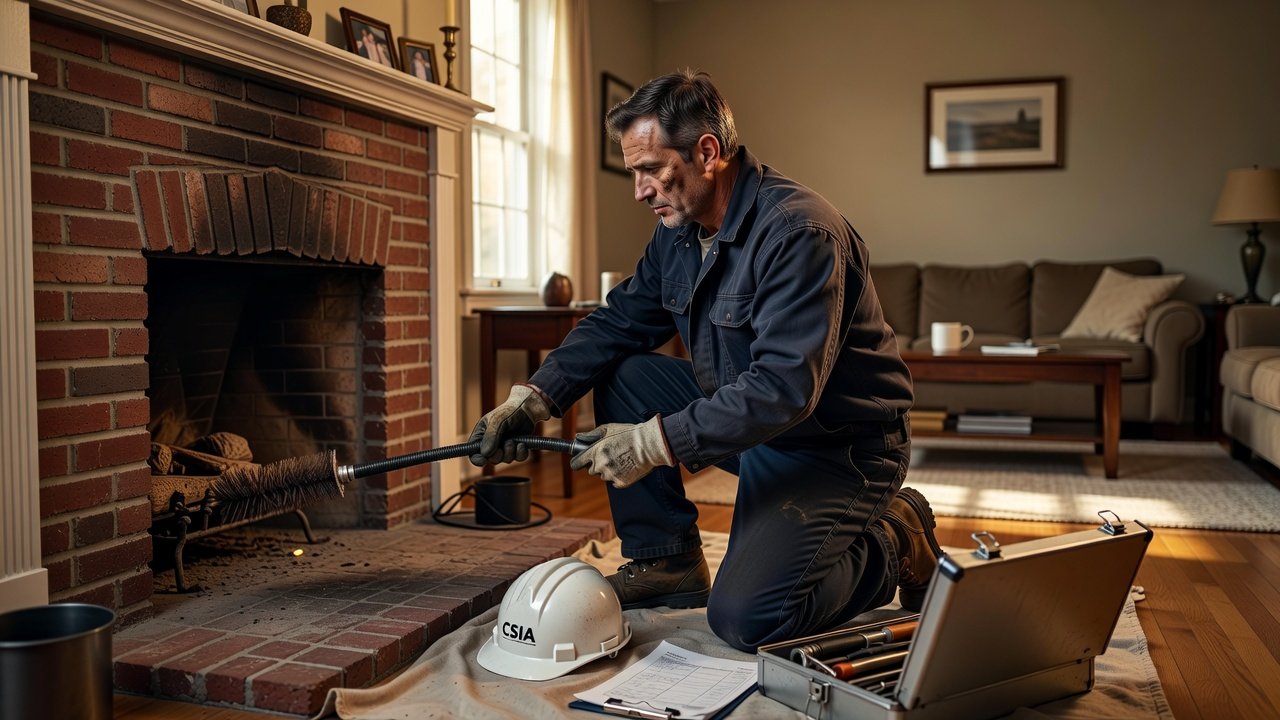
Hiring a CSIA Certified Chimney Sweep in Englewood, NJ, can help you find a professional who understands chimney cleaning, inspections, and common venting problems. The cost depends on the type of fireplace or heating appliance, the chimney’s condition, accessibility, and whether additional work is needed. Before booking, confirm the technician’s credentials, ask what the service includes, and request a written estimate.
This guide explains how to compare chimney sweep services, prepare for an appointment, understand inspection findings, and plan for possible repair costs.
Before You Book a Chimney Sweep
Gather any records you have about your fireplace, wood stove, or heating appliance. Previous inspection reports and cleaning receipts can help the technician understand the chimney’s maintenance history.
If you do not have records, explain approximately when the home was built, how often you use the appliance, and whether you have noticed unusual odors, smoke entering the room, or persistent draft problems.
You should also identify the type of appliance you have. Wood-burning fireplaces, gas appliances, wood stoves, and oil-fired heating systems have different inspection and maintenance requirements. Tell the company which appliance you use and whether you have an insert, unusual chimney access, or a history of chimney fires.
Step 1: Understand What CSIA Certification Means
The Chimney Safety Institute of America (CSIA) offers professional credentials for chimney technicians. Certification can be a useful way to evaluate a provider’s training and knowledge, but it does not replace checking the technician’s experience, insurance, and the scope of service being offered.
Before booking, ask:
-
Is the technician who will visit my home currently CSIA certified?
-
Can I verify the technician’s credential through CSIA?
-
Does the service include a chimney inspection as well as cleaning?
-
What inspection level do you recommend, and why?
-
Will I receive documentation of the findings and any recommended work?
A Level 1 inspection is generally appropriate when the chimney and appliance are being used under the same conditions and there is no reason to suspect a problem requiring a more extensive inspection. It includes an examination of readily accessible portions of the chimney and connected appliance.
A Level 2 inspection involves additional examination and an internal video inspection of the flue when feasible. It is recommended in circumstances such as a change in appliance or fuel, a suspected chimney fire, or a property sale or transfer. <Cite refs={[“turn496285search48″,”turn496285search8”]}/>
Annual inspection is recommended for chimneys, fireplaces, and vents. Cleaning and repairs should be performed when the inspection shows they are needed. An annual inspection does not mean every chimney automatically needs cleaning every year. <Cite refs={[“turn496285search48”]}/>
Step 2: Request Quotes and Ask the Right Questions
Contact more than one provider if you want to compare prices and service options. Explain the type of appliance, when it was last inspected, and any problems you have noticed.
Ask each company:
-
What is included in the quoted price?
-
Does the quote include an inspection, cleaning, or both?
-
Are additional charges possible for heavy creosote, difficult access, or obstructions?
-
Is the technician who will perform the work certified?
-
Will you provide written findings and explain any recommended repairs?
-
What payment terms and warranties apply to the work?
A contractor may be able to provide a preliminary price range over the phone, but the final cost can depend on what the technician finds. A request for more information before giving a firm quote is not automatically a warning sign.
What does a chimney sweep cost in Englewood, NJ?
The price depends on the service required, the condition of the chimney, the appliance type, and access to the flue. A straightforward cleaning is generally less involved than removing hard creosote deposits, investigating a blockage, or repairing a damaged liner.
Rather than relying on an unverified local price range, ask for an itemized estimate that separates routine cleaning from additional inspection, specialized treatment, and repairs. Confirm whether the quoted amount includes taxes, equipment, and cleanup where applicable.
Gas appliances may also require inspection and maintenance, but the work differs from sweeping a wood-burning chimney. Ask the company to identify exactly what its gas fireplace service includes.
Step 3: Understand What can Increase the Price
Several conditions can make a chimney service more involved than a routine appointment.
Heavy creosote deposits. Creosote is a combustible byproduct of wood combustion. Deposits can be loose and flaky, crusty, tar-like, or hard and glazed. Their condition affects the cleaning method required. Hard or glazed deposits can be especially difficult to remove and may require specialized professional treatment. <Cite refs={[“turn496285search48”]}/>
Chimney height and access. Roof pitch, chimney height, the location of the flue, and safe access can affect the time and equipment required.
Animals or obstructions. Nests, debris, or other obstructions may require additional work. If an animal is present, ask the technician to determine the appropriate and lawful removal procedure before proceeding.
Damaged masonry or liner. Cracked flue tiles, deteriorated mortar, or other defects may require repairs beyond the cleaning service. The technician should explain what was observed and why the proposed repair is necessary.
Not every chimney needs the same cleaning method or repair. Ask the technician to document the condition and distinguish necessary work from optional upgrades.
Step 4: Choose a Convenient Time for Service
Spring and summer can be convenient times to arrange chimney maintenance because you can address problems before the heating season. However, appointment availability and seasonal pricing vary by company.
If you wait until fall, you may encounter greater demand. Contact providers early if you want flexibility in scheduling.
Do not postpone an assessment simply to wait for the off-season if you suspect a safety problem. If a chimney fire may have occurred, stop using the appliance and arrange a professional inspection before using it again.
Step 5: Prepare Your Home for the Appointment
A few preparations can make the visit easier:
-
Clear the area around the fireplace or stove.
-
Move nearby rugs and fragile items where practical.
-
Keep children and pets away from the work area.
-
Tell the technician about inserts, unusual access, previous repairs, and any known problems.
-
Follow the company’s instructions about appliance use before the appointment.
A professional should explain how the work area will be protected and how debris will be controlled. Do not assume that every cleaning appointment follows the same procedure, especially when a stove insert or a difficult-to-access flue is involved.
If you have a wood stove or fireplace insert, mention it when booking because its design can affect access and the time needed for service.
Step 6: Review the Inspection Findings
Before the technician leaves, ask for a clear explanation of the work completed and any concerns identified. Request written documentation of the inspection findings, cleaning performed, and recommended follow-up.
Common items a technician may assess include:
-
Firebox and damper condition
-
Smoke chamber and smoke shelf
-
Accessible flue liner sections
-
Creosote deposits and obstructions
-
Signs of moisture intrusion or masonry deterioration
-
Appliance and venting concerns relevant to the inspection
If a repair is recommended, ask whether the concern affects safe operation, requires prompt attention, or can be addressed as routine maintenance. Request supporting findings and a separate estimate before approving significant additional work.
Repairs may involve deteriorated mortar, a damaged crown, flashing problems, or a compromised liner. The appropriate solution depends on the defect and the chimney’s construction. Not every damaged liner requires the same replacement system, and not every masonry problem requires a full rebuild.
Step 7: Keep Service Records
Save your invoice, inspection documentation, and any repair records with your home maintenance files. Include the date of service, the company name, the work performed, and any recommendations that remain outstanding.
These records can help you track recurring problems and plan future maintenance. They may also be useful if your insurer asks about the chimney following a loss, although insurance documentation requirements vary by policy.
Ask your insurer directly if you need to know which records are required for a specific policy or claim. A service receipt does not guarantee that an insurance claim will be covered.
What if the Draft is Still Poor after Cleaning?
If the fireplace continues to draft poorly after cleaning, there may be an underlying problem beyond creosote buildup.
Possible causes include:
-
A blocked or damaged flue
-
Chimney height or configuration issues
-
An improperly sized or configured fireplace and flue
-
Competing exhaust fans or insufficient replacement air
-
Problems with the appliance or venting system
A qualified professional should assess the actual cause before recommending equipment or structural changes. A chimney cap, draft-inducing device, or firebox modification is not a universal solution.
If smoke enters your home during use, stop using the appliance until the cause has been assessed. If a carbon monoxide alarm sounds or carbon monoxide exposure is suspected, leave the building and contact emergency services.
Find a Chimney Sweep Serving Englewood, NJ
When choosing a chimney service, compare credentials, inspection procedures, written estimates, insurance documentation, and the clarity of the recommendations you receive.
Tenafly Chimney is identified in the original draft as a provider serving Englewood and nearby Bergen County communities. Before publishing, confirm its current service area, the certification status of the technicians it sends, whether inspections are free, and its current booking details.
You can then invite readers to contact the company for a quote, provided the service claims and contact information have been verified.
Chimney inspection and cleaning needs vary by appliance and condition. Cost estimates should be confirmed with the service provider, and recommendations for repairs should be supported by the inspection findings.
Related from Tenafly Chimney: Chimney Sweep in Tenafly · What a CSIA Certified Chimney Sweep Actually Costs in Fort Lee and Eng
Our services
Chimney Sweep Englewood · Chimney Sweep in Tenafly · Chimney Sweep in Tenafly · Chimney Sweep in Tenafly · Chimney Sweep in Tenafly · Chimney Sweep Tenafly
Areas we serve
Tenafly, NJ · Tenafly, NJ · Tenafly, NJ · Tenafly, NJ · Tenafly, NJ · Tenafly, NJ